
Figure type
Conceptual Figure Examples from AI Papers
A conceptual figure explains an idea rather than a full method: the problem a paper tackles, why earlier approaches fall short, and what changes with the new one. This page gathers 461 conceptual figures used as Figure 1 in ICLR, ICML, NeurIPS and ACL papers, each under CC BY 4.0. Look at how authors put prior work and their own approach side by side, mark what fails, and carry one small example through every panel. Filter by topic to see ideas close to yours.
461 Figure 1 images, 2023 to 2026, all from CC BY 4.0 papers
461 figures
How conceptual figures are usually laid out
- 1
Previous on one side, ours on the other
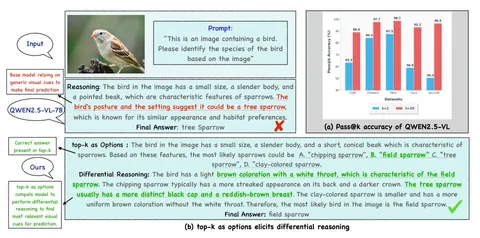
Prior work and the new approach get matching panels with the words Previous and Ours in their headers, sometimes with the shared input in the middle. The reader compares the two directly instead of reading two separate descriptions.
- 2
Each approach ends in a short verdict
Stacked rows show each approach, and every row ends in a small box that states the outcome in a few words: red and dashed for the weaknesses of older methods, green for the paper's method. The argument reads without the caption.
- 3
The same boxes in every panel
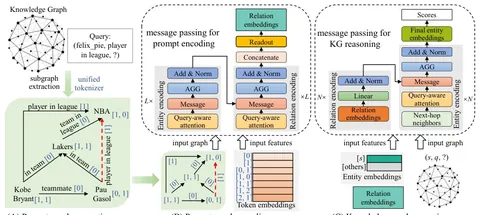
Every panel reuses the same shapes and labels, such as a teacher box and a student box, and only the arrows and one or two extra elements change. Because the vocabulary stays fixed, the difference between methods is the only thing that moves.
- 4
Red for wrong paths, green for right ones
A search tree is drawn twice, once with red arrows ending in failures and once with green arrows reaching the goal, with a tiny color key in the corner. The idea is shown as a change in behavior, not as a formula.
- 5
A symbol key above the panels
When the figure uses abstract tokens, a row at the top defines them first, for example colored circles for question, documents, relevant, irrelevant and answer. Every sequence below can then be read like a short sentence.
- 6
One concrete example carried through
A single fact, such as one edited capital city, appears in every panel, so the reader sees the same case succeed in one setting and fail in another. A familiar example makes an abstract claim easy to check.
Conceptual figure FAQ
What is a conceptual figure in a research paper?
It is a schematic that explains the idea behind a paper without drawing the whole method: the problem setting, the failure of an existing approach, or a comparison of paradigms. It usually relies on simple shapes, familiar icons and one short example. As Figure 1 it lets a reader grasp the motivation before reaching the technical sections.
How is a conceptual figure different from a method overview?
A method overview shows every component and how they connect, close to what a reader would need to reimplement it. A conceptual figure leaves most of that out and shows only the contrast that matters: what goes wrong before, and what changes after. If your Figure 1 needs equations or many module names, it is probably a method figure, and the concept may fit better as a simpler panel beside it.
How do I show prior work versus my method in one figure?
Draw each approach with the same layout and the same input, then label the panels clearly, for example Previous and Ours, or (a), (b) and (c) with your method last. Mark the outcome of each with a check, a cross or a short verdict. Keep the panels the same size so the comparison looks fair.
How simple should a conceptual figure be?
Simple enough to explain in one sentence. The figures here use few words per box, a handful of colors with clear meanings, and icons readers already know, such as checks, crosses and small robots for models. If a reader needs the caption to see what changed, cut detail until the change is visible on its own.
Can I reuse these conceptual figures?
Copyright stays with the authors. These papers are published under CC BY 4.0, which allows reuse, including commercial use, if you credit the authors, link to the paper and to the license, and note any changes. For your own paper it is usually better to borrow the layout idea and draw your own figure. If you start from an AI draft, check your venue's policy on AI-generated images before submitting.
Draft your conceptual figure
Describe the problem, the old approach and what your idea changes, and SciFigure's AI figure tools will draft a conceptual figure. Then check every label and example against your paper.
Open the AI figure generatorData and license
Every figure here is Figure 1 of a paper released under CC BY 4.0, cropped and resized, and each one credits its title, authors, venue and year with links to the paper and the license. Listing a figure does not mean its authors endorse SciFigure. How the licenses were checked.