Reaction Mechanism Diagram Maker with Correct Arrow Pushing
Describe a reaction and get a clean mechanism figure: curved arrows that start at lone pairs and bonds, full heads for electron pairs and fish-hooks for radicals, lone pairs and formal charges balanced in every step, intermediates and bracketed transition states. Draw SN1, SN2, E1, E2, carbonyl, aromatic, aldol and esterification mechanisms, catalytic cycles, or an arrow-pushing worksheet with its answer key.
SN1 and SN2 to catalytic cyclesArrows start at electronsArrow-pushing worksheets
Checked against organic chemistry texts
Worksheet + answer key pairs
Print-ready PNG
AI Reaction Mechanism Diagram Maker
Pick a mechanism or describe your own reaction, then choose labels, detail, style and level.
929 / 2000 characters
Generate a publication-ready PNG from your description.
Preview
Reaction Mechanism Example Previews
Target aspect ratio: 16:9
Sample previews. Describe your reaction to generate your own mechanism diagram.
Reaction Mechanism Diagram Examples
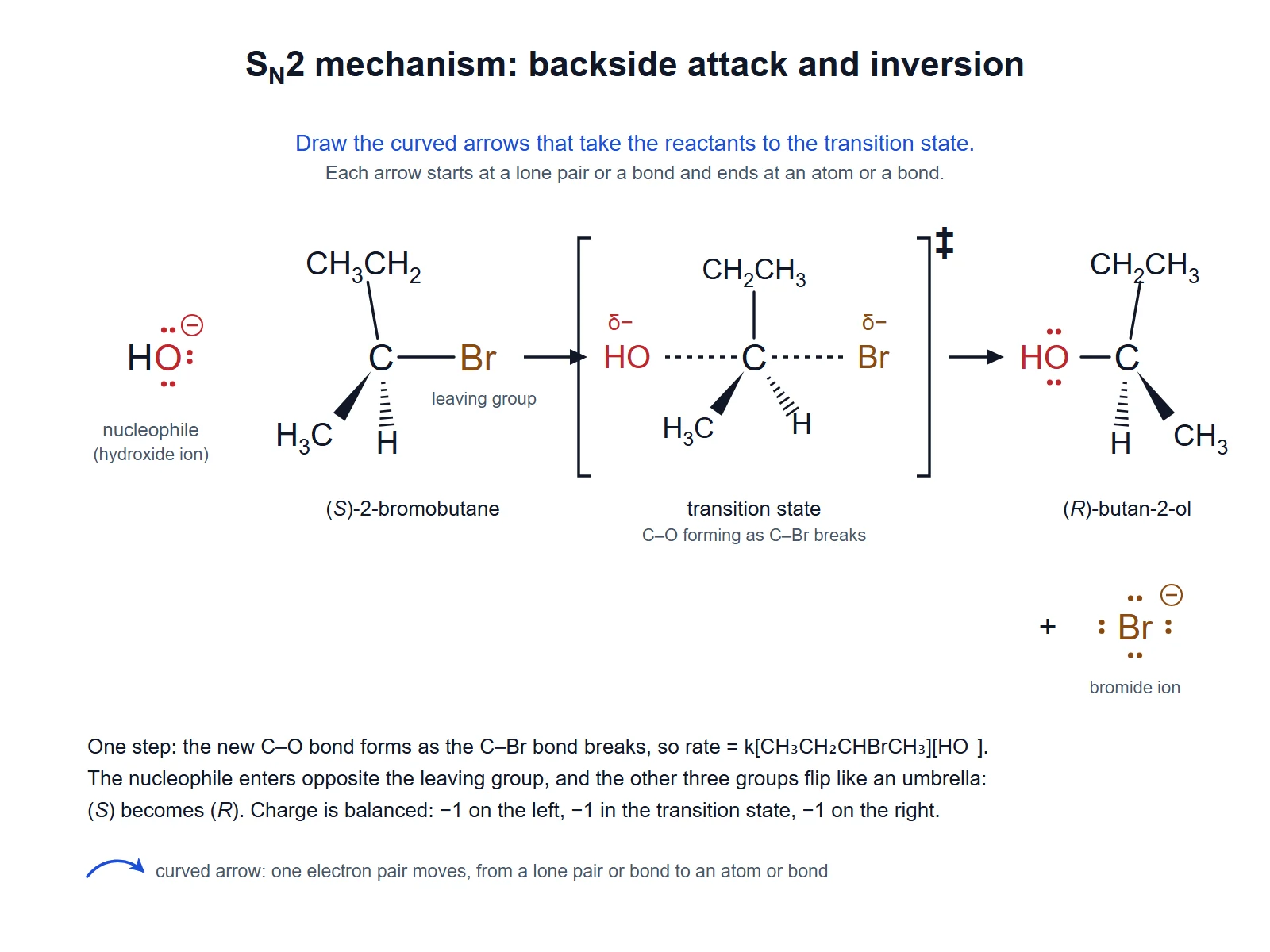
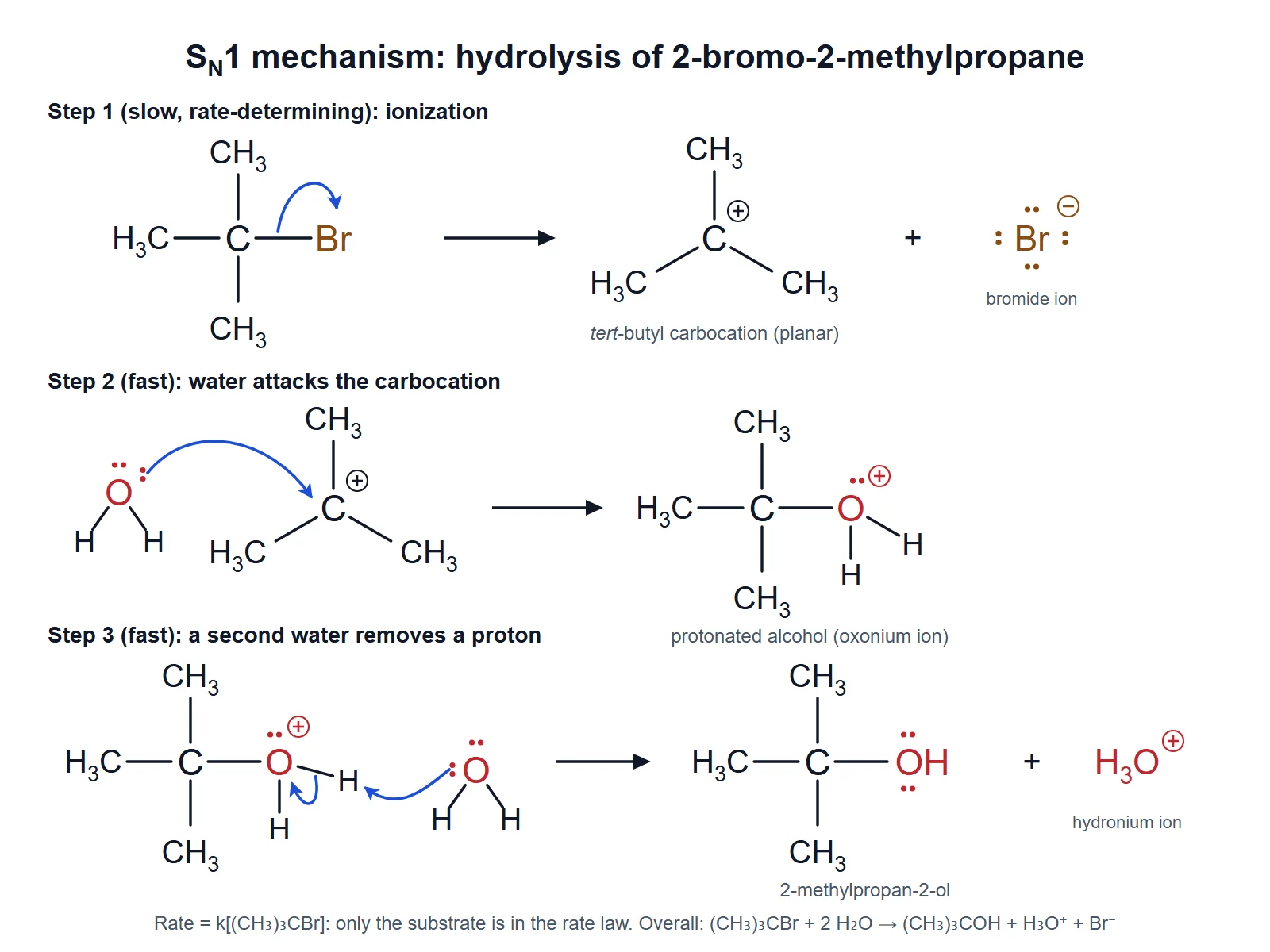
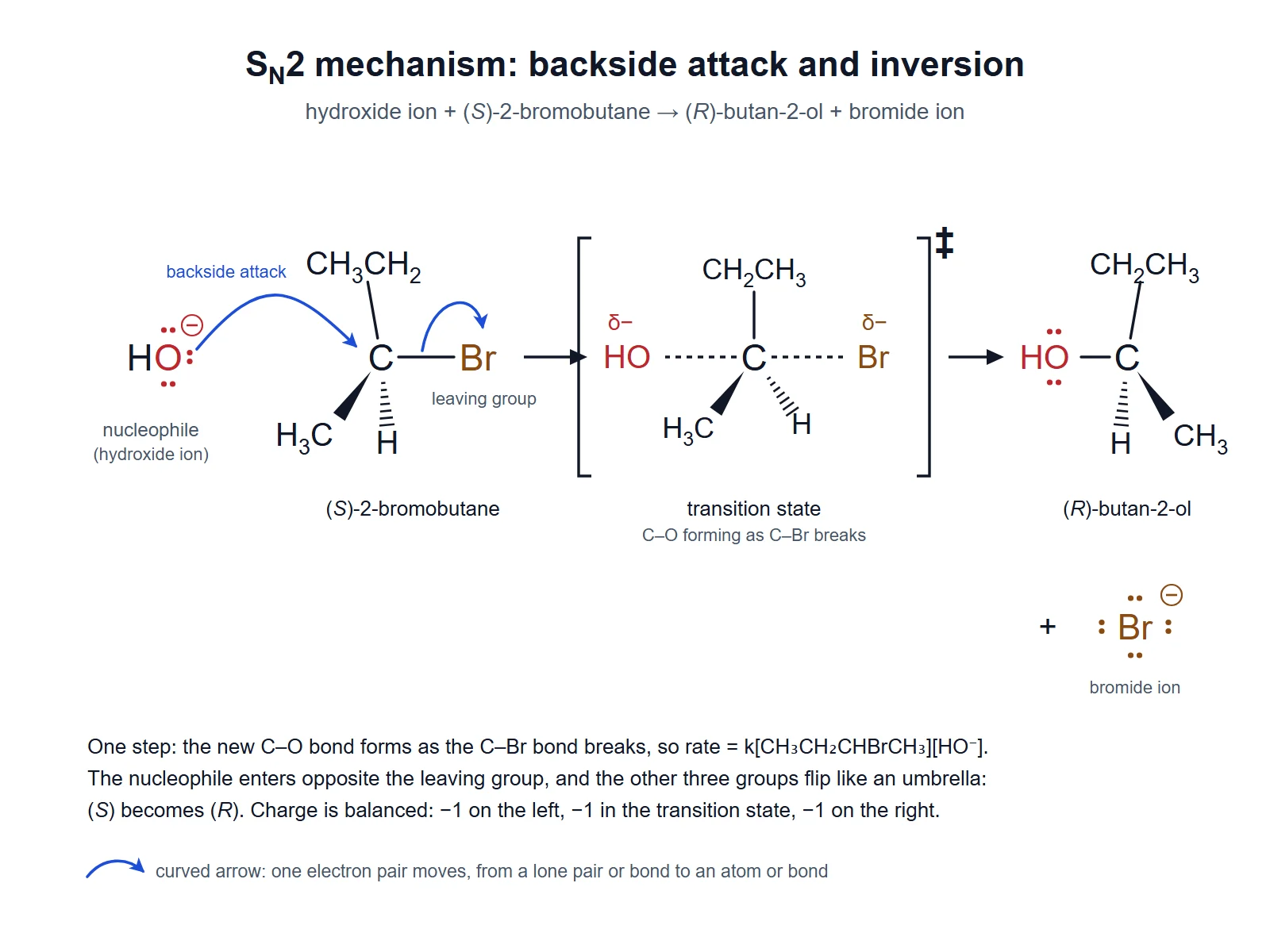
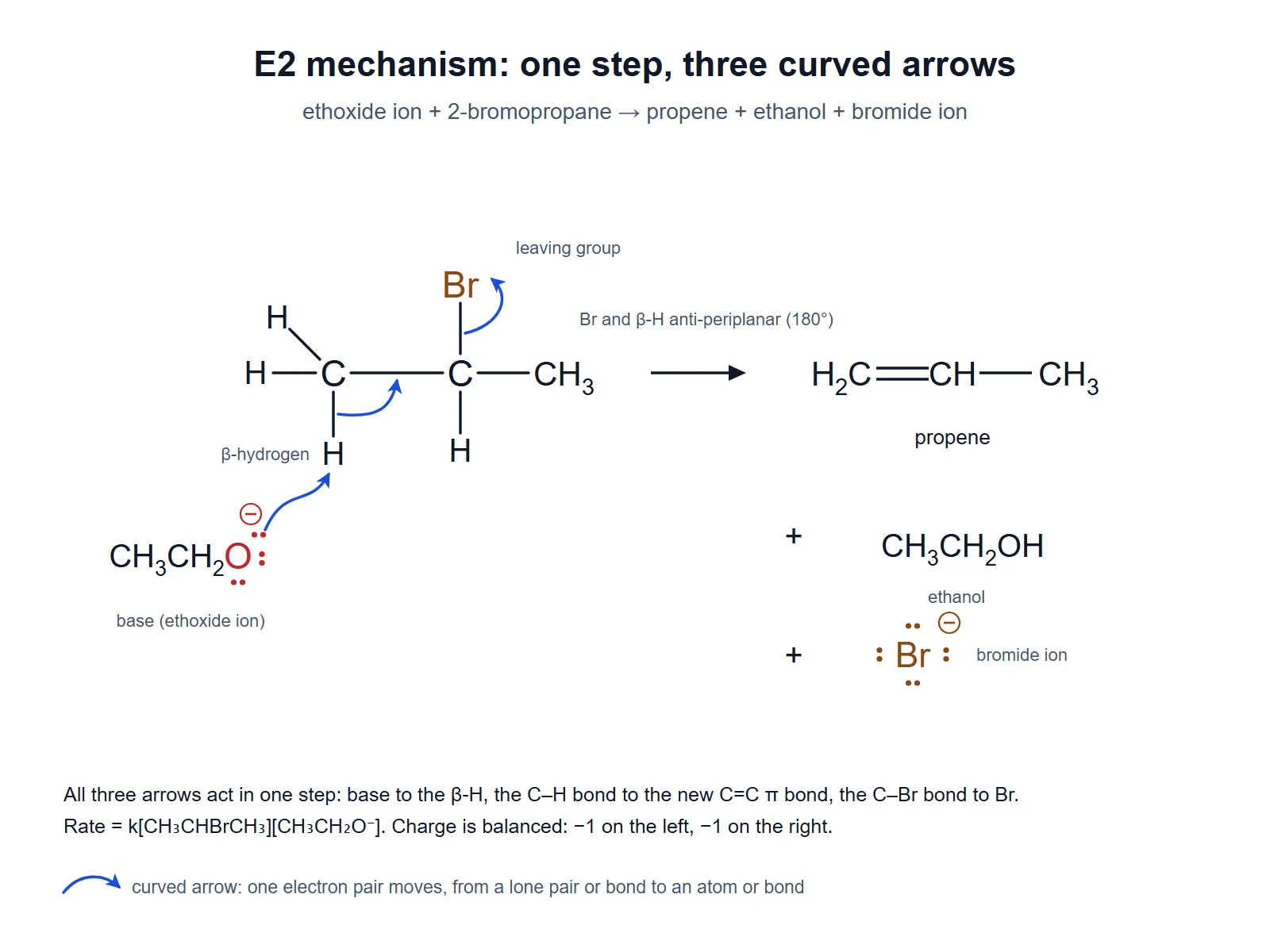
An SN2 mechanism with its transition state and inversion, the same reaction as an arrow-pushing worksheet, a three-step SN1 hydrolysis, and a one-step E2 elimination, each with every lone pair and charge.
Prompt
Create an SN2 mechanism diagram on a white background titled "SN2 mechanism: backside attack and inversion". On the left, hydroxide ion with three lone pairs and a negative charge, and (S)-2-bromobutane with the ethyl group up, the methyl on a wedge, the hydrogen on a dash and bromine to the right. Draw a blue curved arrow from a lone pair on the hydroxide oxygen to the back of the carbon, 180° from bromine, and a second from the C–Br bond onto bromine. A reaction arrow leads to the transition state in square brackets with ‡: HO and Br on a straight line through carbon with dashed partial bonds, δ− on each, and the other three groups in one plane. A second arrow leads to (R)-butan-2-ol, with the three groups flipped to the other side, plus bromide ion with four lone pairs and a negative charge. Label nucleophile, leaving group, transition state and both names, and add a note that rate = k[CH3CH2CHBrCH3][HO−].
SN2 substitutionWith transition states
Use this example
Prompt
Create an arrow-pushing worksheet for the SN2 reaction of hydroxide with (S)-2-bromobutane on a white background. Draw hydroxide with its three lone pairs and negative charge, (S)-2-bromobutane in wedge-and-dash form, the transition state in brackets with ‡, dashed partial bonds and δ− charges, and the product (R)-butan-2-ol plus bromide ion, all joined by reaction arrows, but no curved arrows anywhere. At the top, write the instruction "Draw the curved arrows that take the reactants to the transition state." and a reminder that each arrow starts at a lone pair or a bond and ends at an atom or a bond.
Arrow-pushing worksheetSN2 substitutionWith transition states
Use this example
Prompt
Create an SN1 mechanism diagram for the hydrolysis of 2-bromo-2-methylpropane on a white background, in three labeled rows using condensed structures. Step 1 (slow, rate-determining): a curved arrow from the C–Br bond onto bromine gives the planar tert-butyl carbocation with a positive charge plus bromide ion with four lone pairs. Step 2 (fast): a curved arrow from a lone pair on a water molecule to the positive carbon gives the protonated alcohol, an oxonium ion with one lone pair and a positive charge on oxygen. Step 3 (fast): a curved arrow from a lone pair on a second water molecule to one H on the oxonium oxygen, and one from that O–H bond onto the oxygen, give 2-methylpropan-2-ol and hydronium ion. Add a footer with rate = k[(CH3)3CBr] and the overall equation.
SN1 substitutionIntro / AP
Use this example
Prompt
Create an E2 mechanism diagram on a white background titled "E2 mechanism: one step, three curved arrows". Draw 2-bromopropane with every hydrogen shown: the α-carbon carries Br pointing straight up, a hydrogen pointing down and a CH3 group to the right; the β-carbon (a CH3) to its left has one hydrogen pointing straight down, anti-periplanar to the Br, and two other hydrogens. Below left, ethoxide ion CH3CH2O− with three lone pairs on oxygen. Draw three blue curved arrows in one step: from an ethoxide lone pair to the downward β-hydrogen, from that C–H bond to the space between the two carbons, and from the C–Br bond onto bromine. A reaction arrow leads to propene (H2C=CH–CH3), ethanol and bromide ion with four lone pairs and a negative charge. Label β-hydrogen, leaving group and base, and add a note that rate = k[CH3CHBrCH3][CH3CH2O−].
E2 eliminationIntro / AP
Use this example
Prompt
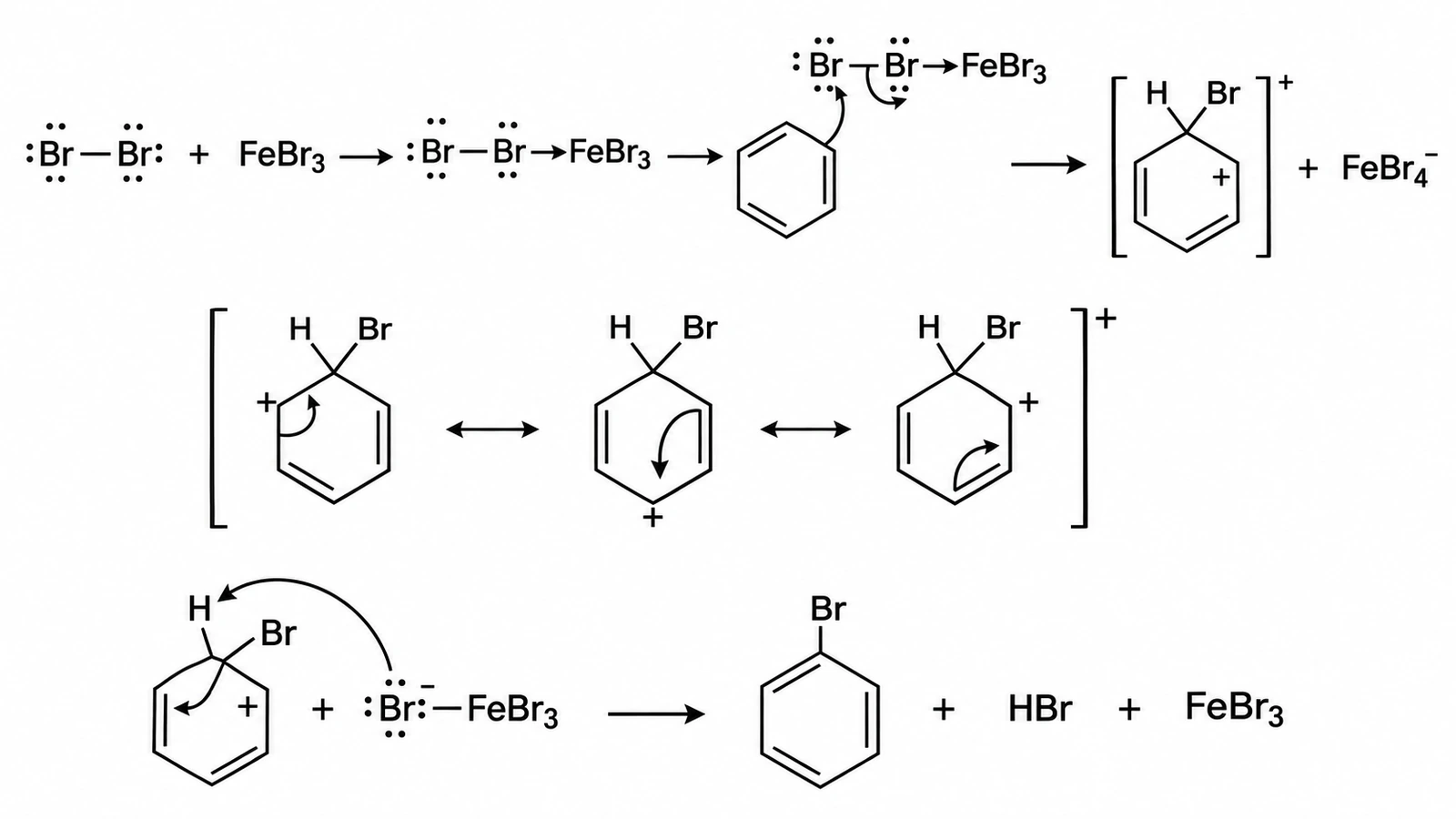
Create a mechanism for the bromination of benzene on a white background, black structures and curved arrows. Step 1: Br2 + FeBr3 form the Br–Br→FeBr3 complex. Step 2: a π bond of benzene attacks the outer bromine while the Br–Br bond electrons move to the inner bromine, giving the arenium ion and FeBr4−. Show the arenium ion as three resonance forms in brackets, with the + charge on the carbons ortho and para to the sp3 carbon that bears H and Br. Step 3: FeBr4− removes that proton, the C–H bond electrons restore the aromatic ring, giving bromobenzene + HBr + FeBr3.
Electrophilic aromatic substitution
Use this example
Prompt
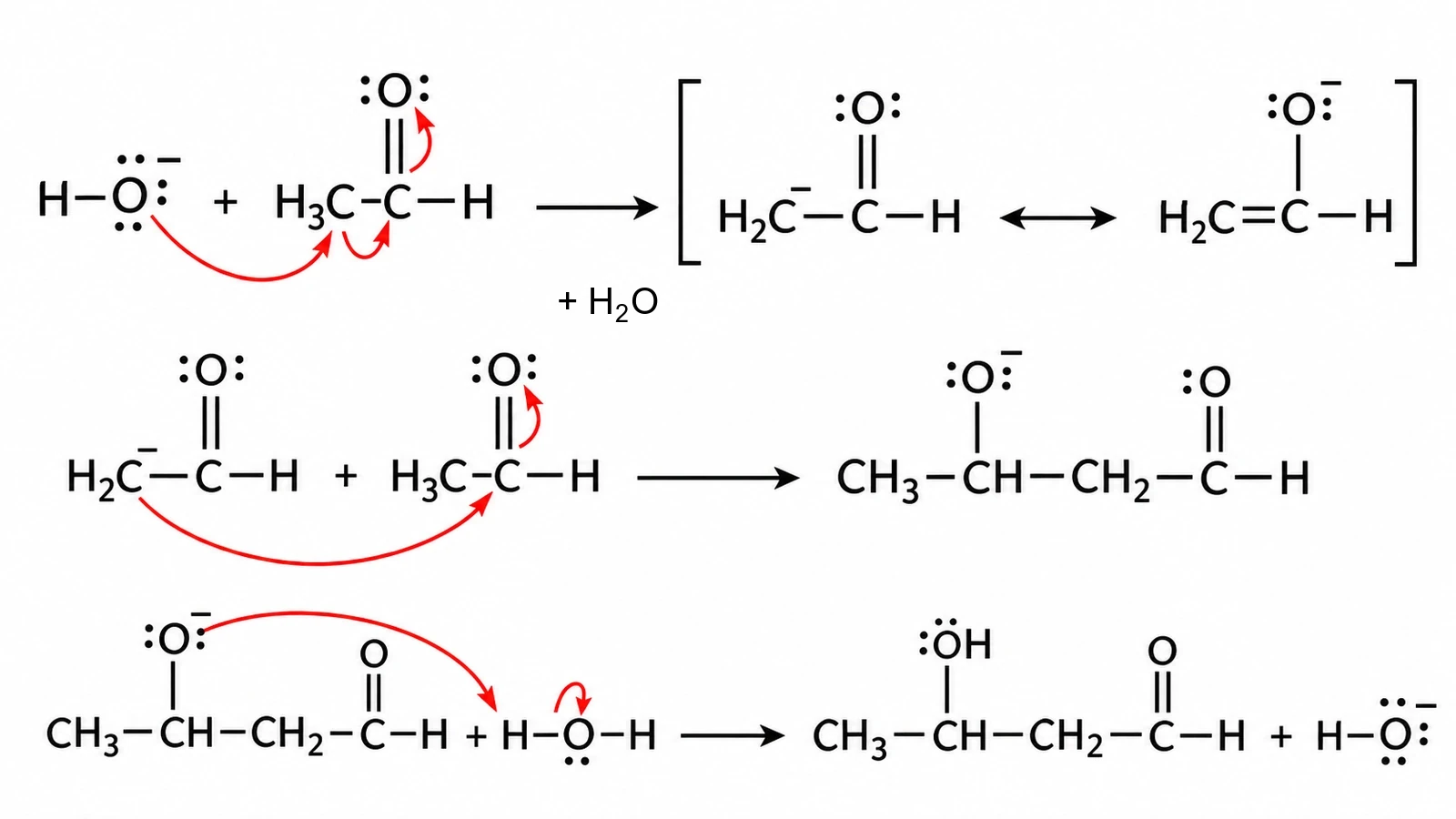
Create a base-catalysed aldol addition mechanism for acetaldehyde on a white background with red curved arrows. Step 1: HO− removes an alpha H from CH3CHO; the C–H electrons form the C=C and the C=O electrons move to oxygen; products: water and the enolate drawn as two resonance forms in brackets. Step 2: the enolate carbon attacks the carbonyl carbon of a second CH3CHO, the C=O electrons move to oxygen, giving the alkoxide CH3–CH(O−)–CH2–CHO. Step 3: the alkoxide takes a proton from water, giving 3-hydroxybutanal CH3–CH(OH)–CH2–CHO and regenerating HO−. Show all lone pairs and charges.
Aldol addition
Use this example
Prompt
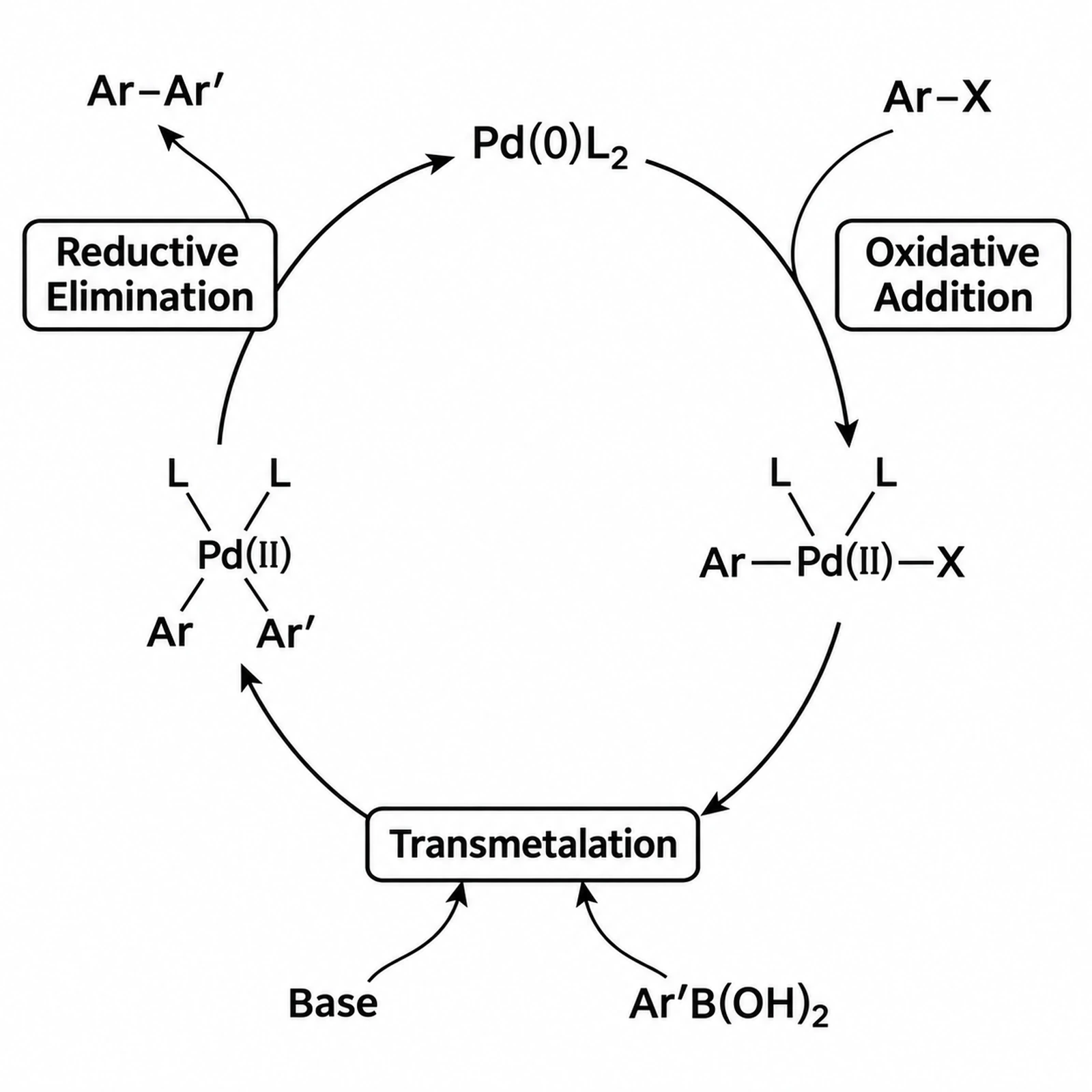
Create a Suzuki coupling catalytic cycle on a white background, black text and arrows around a circle. Top: "Pd(0)L2". "Oxidative Addition" with Ar–X entering gives "Ar–Pd(II)–X" with two L ligands. "Transmetalation" with "Ar′B(OH)2" and "Base" entering gives a Pd(II) complex with two L ligands and Ar and Ar′ cis to each other. "Reductive Elimination" releases "Ar–Ar′" and returns Pd(0)L2. Label each oxidation state.
Catalytic cycleResearch figure
Use this example
Prompt
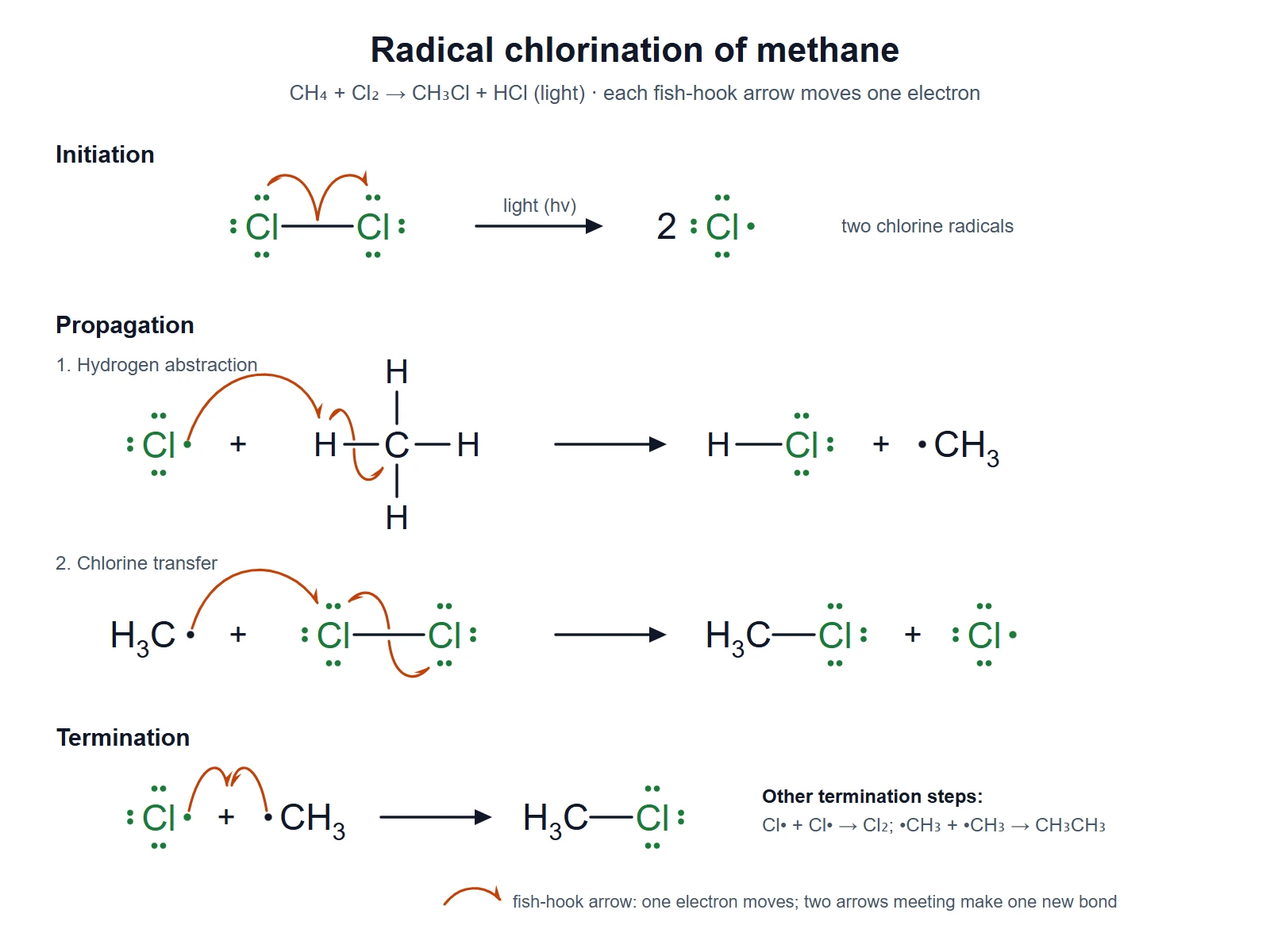
Create a radical chlorination of methane mechanism on a white background using only single-barbed fish-hook arrows, one per electron. "Initiation": light splits Cl–Cl, one fish-hook from the bond to each Cl, giving 2 Cl•. "Propagation" 1, hydrogen abstraction: Cl• + CH4 → H–Cl + •CH3, with three fish-hooks (one from Cl•, two from the C–H bond, one to H and one to C). Propagation 2, chlorine transfer: •CH3 + Cl–Cl → CH3–Cl + Cl•, with three fish-hooks. "Termination": Cl• + •CH3 → CH3Cl with two fish-hooks meeting, and a note listing Cl• + Cl• → Cl2 and •CH3 + •CH3 → CH3CH3. Show every lone pair on chlorine and radicals as single dots.
Radical chain reactionIntro / AP
Use this example
How to make a reaction mechanism diagram
1
Name the reaction and pick the mechanism
Describe the reaction with its reactants, reagents and conditions, or pick SN1, SN2, E1, E2, carbonyl addition, acyl substitution, esterification, aldol, aromatic substitution, radical, Diels–Alder, a catalytic cycle or electrocatalysis. Then choose the labels, the detail level and the style.
2
Generate the arrow-pushing figure
The generator draws each step with curved arrows that start at lone pairs or bonds, the right arrowheads, lone pairs and formal charges, intermediates between reaction arrows, and transition states in brackets with ‡ when you ask for them.
3
Check every arrow, then export
Count the charge on both sides of each step, check each arrow’s tail and head, and compare the product’s stereochemistry with the mechanism. For a worksheet, make the answer key from the same result. Download the PNG for notes, a problem set, slides or a paper.
Arrow-pushing key facts
Curved arrow tail
A lone pair or a bond (the electrons)
Curved arrow head
An atom, or where the new bond forms
Full arrowhead
Moves two electrons (polar mechanisms)
Fish-hook arrowhead
Moves one electron (radical mechanisms)
Charge
The same net charge on both sides of every step
Transition state
In brackets with ‡, partial bonds dashed, not isolable
Intermediate
An energy minimum between steps, drawn as a full structure
SN2
One step, backside attack, inversion; rate = k[RX][Nu]
SN1
Carbocation first, racemization; rate = k[RX]
E2
One step; β-H anti-periplanar to the leaving group
Aromatic substitution
Arenium ion, then loss of H⁺ restores aromaticity
Arrows between structures
→ step, ⇌ equilibrium, ↔ resonance
What is a reaction mechanism diagram?
A reaction mechanism diagram shows how a reaction happens, not just what goes in and what comes out. It draws the reactants, every intermediate and the products in order, joined by reaction arrows, and uses curved arrows to show which electrons move in each step: which bonds form, which break, and where the charges end up.
It is the figure behind almost every organic chemistry lecture, problem set and exam, and it appears in research papers whenever a new reaction or catalyst is proposed. Because a single wrong arrow changes the chemistry, this reaction mechanism diagram maker draws to a strict set of arrow-pushing rules, and the sections below explain them.
How to draw mechanisms: the arrow-pushing rules
Drawing mechanisms comes down to a few rules that apply to every polar reaction.
Find the electrons: a lone pair, a π bond, or a polarized σ bond on the nucleophile or base.
Find where they go: an electron-poor atom, such as a carbonyl carbon, a carbocation, the carbon bonded to a leaving group, or an acidic hydrogen.
Draw each curved arrow from the electrons to that atom, or to the middle of the new bond.
Keep octets: if the receiving atom already has eight electrons (or H already has its one bond), break one of its bonds in the same step with a second arrow.
Redraw the result with its new bonds, lone pairs and formal charges, and check that the net charge has not changed.
Repeat step by step until you reach the products; use → for a step, ⇌ when the step is reversible.
Full-headed and fish-hook curved arrows
The curved arrow mechanism uses two kinds of head. A full, double-barbed arrowhead moves a pair of electrons and is used in polar (ionic) mechanisms: substitutions, eliminations, additions to carbonyls and alkenes, aromatic substitution, and most biochemical mechanisms. A fish-hook, single-barbed arrowhead moves one electron and is used for radicals: homolysis of a bond is drawn with two fish-hooks from the bond, one to each atom, and radical addition or abstraction with three. A mechanism drawing should use one kind or the other in a step, never both.
Lone pairs, formal charges and octets: the bookkeeping
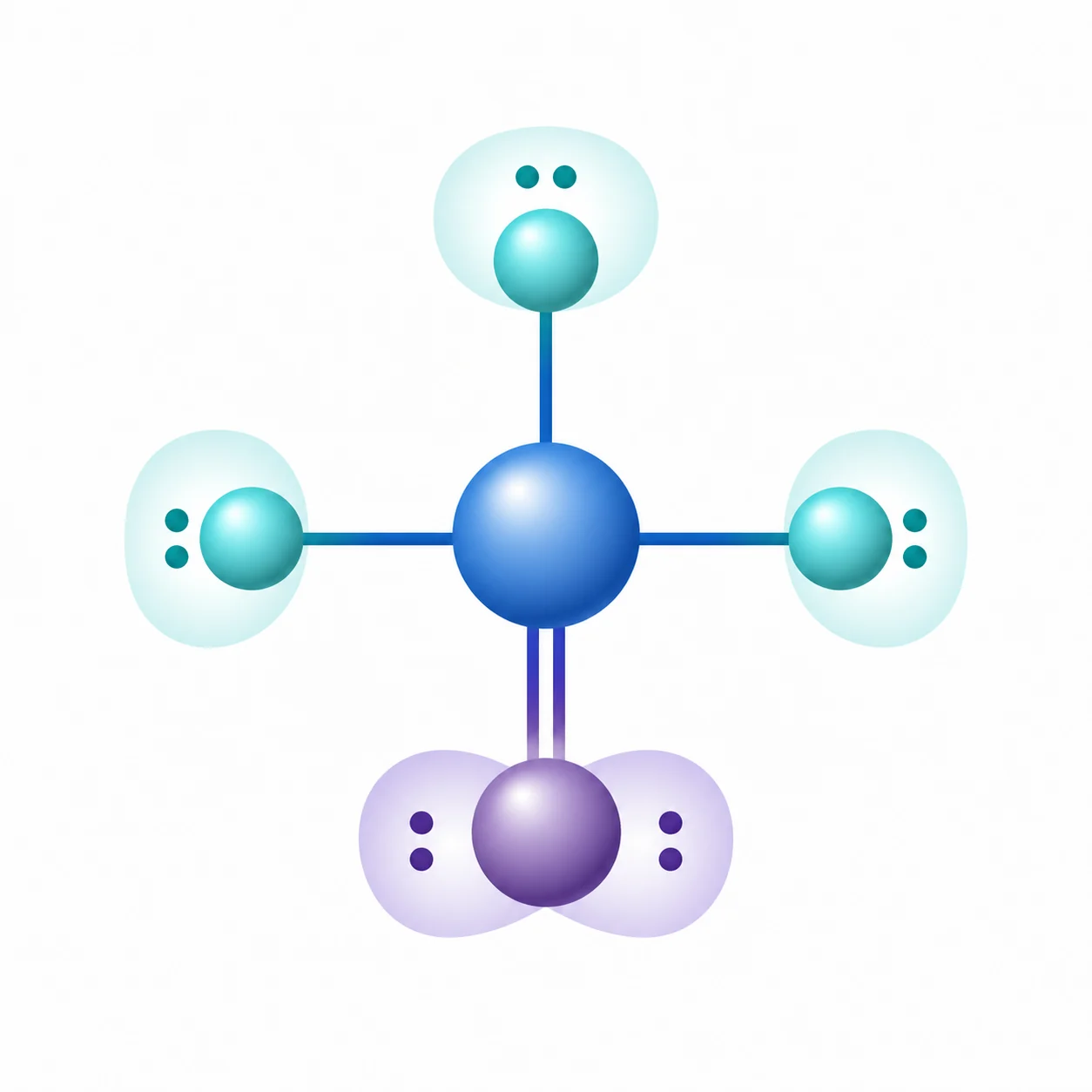
Curved arrows only make sense if the electrons they move are visible, so a mechanism drawing shows the lone pairs that arrows start from and every formal charge. A formal charge follows from counting: an oxygen with three bonds and one lone pair is +1 (an oxonium ion), with one bond and three lone pairs it is −1 (an alkoxide or hydroxide); a carbon with three bonds and no lone pair is a carbocation (+1), with three bonds and a lone pair a carbanion (−1). The Lewis dot structure generator draws these structures with every lone pair and charge if you want to check them.
Two checks catch most errors. First, the net charge is the same on both sides of every step: if a neutral nucleophile attacks a neutral electrophile and nothing leaves, one atom becomes positive and another negative. Second, no second-row atom ends up with more than eight electrons, and no carbon with more than four bonds.
Intermediates and transition states
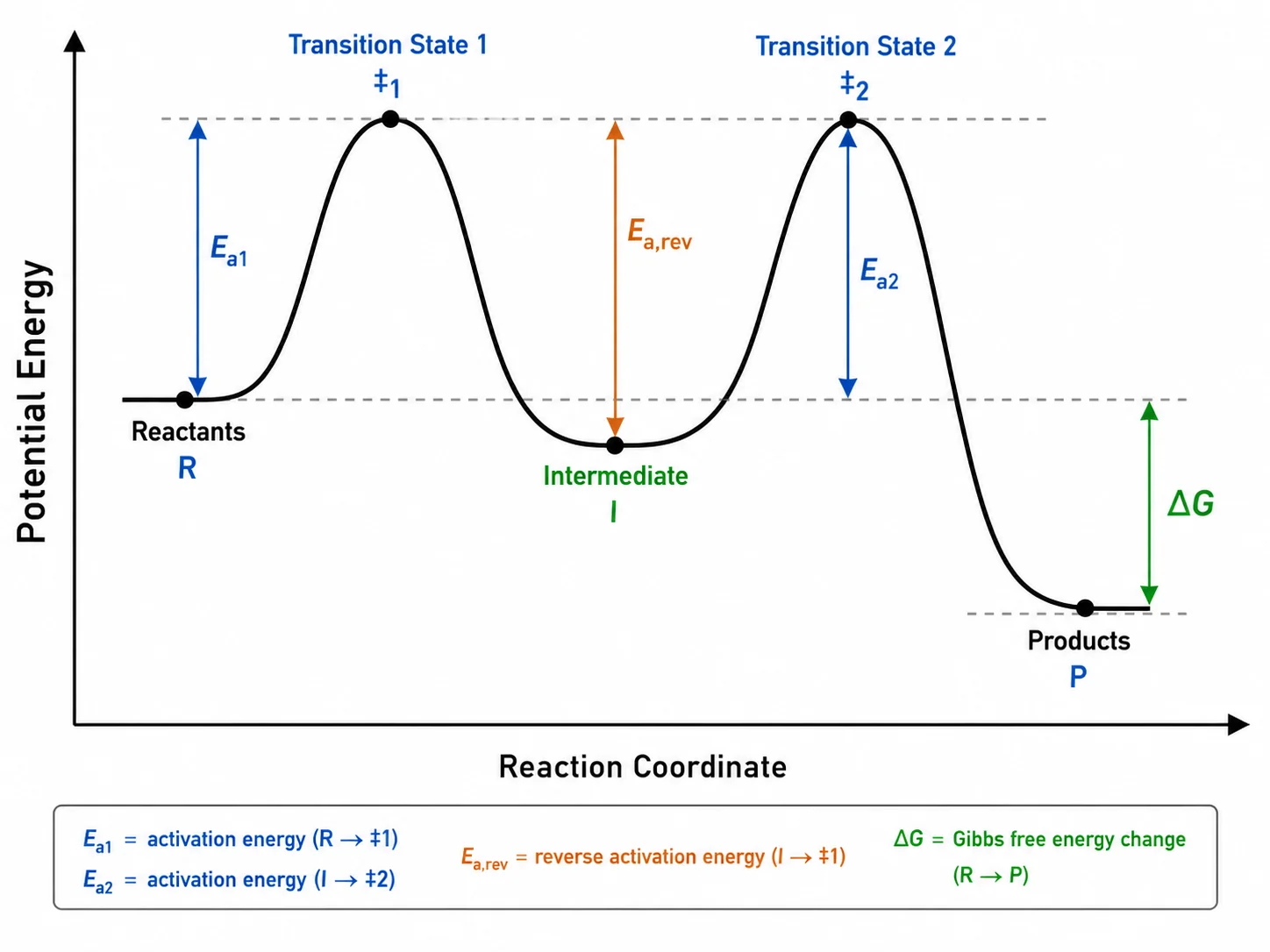
Both appear in mechanism diagrams and they are easy to confuse. An intermediate sits in an energy valley between two steps: a carbocation, a carbanion or enolate, a tetrahedral intermediate, an arenium ion or a radical. It has ordinary bonds and charges and is drawn as a normal structure between reaction arrows. A transition state sits at the top of an energy barrier for one step; it cannot be isolated, so it is drawn in square brackets with a ‡ superscript, partial bonds as dashed lines, and δ+ / δ− for partial charges. A one-step reaction has a transition state but no intermediate; a two-step reaction has two transition states and one intermediate between them. To plot that energy profile exactly, use the potential energy diagram maker.
Nucleophilic substitution: SN2 and SN1 mechanisms
SN2 (substitution, nucleophilic, bimolecular): one step. The nucleophile attacks the carbon from the side opposite the leaving group, the old bond breaks as the new one forms, and the other three groups flip like an umbrella in the wind, so a stereocentre is inverted (Walden inversion). Rate = k[substrate][nucleophile]. It is fastest for methyl and primary substrates and does not happen at tertiary carbons, which are too crowded.
SN1 (substitution, nucleophilic, unimolecular): the leaving group leaves first, giving a planar carbocation, in the slow, rate-determining step. The nucleophile then adds to either face, so a chiral substrate gives a mostly racemic product. Rate = k[substrate]. It is favoured by tertiary substrates, weak nucleophiles and polar protic solvents such as water and alcohols.
In an SN1 diagram with water or an alcohol as the nucleophile, do not forget the last step: the oxonium ion loses a proton to a solvent molecule.
Elimination: E2 and E1 mechanisms
E2: one step with three curved arrows. The base takes a β-hydrogen, the C–H bond electrons form the new π bond, and the leaving group leaves with its bonding pair. The H and the leaving group must be anti-periplanar, which is why E2 is often drawn with a Newman projection or, in cyclohexanes, with both groups axial.
E1: the same carbocation as SN1 forms first; then a weak base removes a hydrogen from a carbon next to the positive carbon, and those bonding electrons make the π bond.
Both usually give the more substituted alkene (Zaitsev’s rule); a bulky base in E2 can favour the less substituted one. Substitution and elimination compete, which is why the comparison table on this page puts all four side by side.
Carbonyl mechanisms: addition, acyl substitution, esterification and aldol
Nucleophilic addition to aldehydes and ketones: the nucleophile bonds to the carbonyl carbon and the C=O π electrons move onto oxygen, giving a tetrahedral alkoxide that is then protonated.
Nucleophilic acyl substitution (esters, acid chlorides, amides): addition gives a tetrahedral intermediate, then the oxygen’s lone pair re-forms the C=O and pushes out the leaving group. Saponification of an ester with hydroxide is the classic example.
Fischer esterification: an acid catalyst protonates the carbonyl oxygen, the alcohol adds, a proton moves, water leaves and the ester is deprotonated. Every step is reversible, so the diagram uses ⇌ throughout, and the oxygen joining the ester’s two parts comes from the alcohol.
Aldol addition: a base removes an α-hydrogen to give an enolate, whose α-carbon attacks a second carbonyl; protonation gives a β-hydroxy aldehyde or ketone. With heat it can lose water to give an α,β-unsaturated carbonyl (aldol condensation).
Electrophilic aromatic substitution and the arenium ion
Benzene rings react by substitution, not addition, because the product keeps the stable aromatic ring. In bromination, FeBr3 first polarizes Br2. A π bond of the ring then attacks the outer bromine, giving the arenium ion (σ complex): one ring carbon is now sp3 and carries both H and Br, and the positive charge is spread over the carbons ortho and para to it, which is why the ion is drawn as three resonance structures in brackets. In the second step, a base (FeBr4⁻ here) removes the H from the sp3 carbon, its bonding electrons restore the aromatic sextet, and FeBr3 is regenerated along with HBr. Nitration, sulfonation, chlorination and Friedel–Crafts reactions follow the same two steps with a different electrophile.
Radical reactions such as the chlorination of methane are drawn with fish-hook arrows and single-dot radicals. Initiation breaks a weak bond homolytically with light or heat (Cl–Cl → 2 Cl•). Propagation steps each use one radical and make another: Cl• takes an H from CH4 to give HCl and •CH3, and •CH3 takes a Cl from Cl2 to give CH3Cl and a new Cl•, so the chain continues. Termination steps combine two radicals and end chains. A correct radical mechanism diagram balances the unpaired electrons in each step as carefully as a polar one balances charges.
Catalytic cycles and electrocatalysis in research figures
In papers, mechanisms are often drawn as cycles. A palladium cross-coupling such as the Suzuki–Miyaura reaction runs around a loop: oxidative addition of the aryl halide to Pd(0) gives an aryl–Pd(II) halide, transmetalation swaps the halide for the second organic group from the boronic acid, and reductive elimination joins the two groups and returns Pd(0). A good cycle shows the catalyst once per species, the oxidation state of each, the substrates and products on side arrows, and the catalyst regenerated.
Electrocatalysis mechanisms, for the hydrogen evolution, oxygen evolution or CO2 reduction reactions, are drawn as surface steps: the active site is written *, adsorbed species as *OH, *O, *OOH or H*, and each electrochemical step transfers one electron with a proton or hydroxide. The electron count must add up, for example four electrons per O2 in oxygen evolution and two per H2 in hydrogen evolution. Choose the Research figure level and the Journal scheme style for these.
Mechanism diagram, energy diagram, Lewis structure: which figure do you need?
A reaction mechanism diagram shows the steps and the electron flow: this page.
A potential energy diagram shows the energy of each species along the reaction coordinate, with activation energies and ΔH; draw it exactly with the potential energy diagram maker.
A Lewis structure shows one molecule’s bonds, lone pairs and formal charges; check reactants and intermediates with the Lewis dot structure generator.
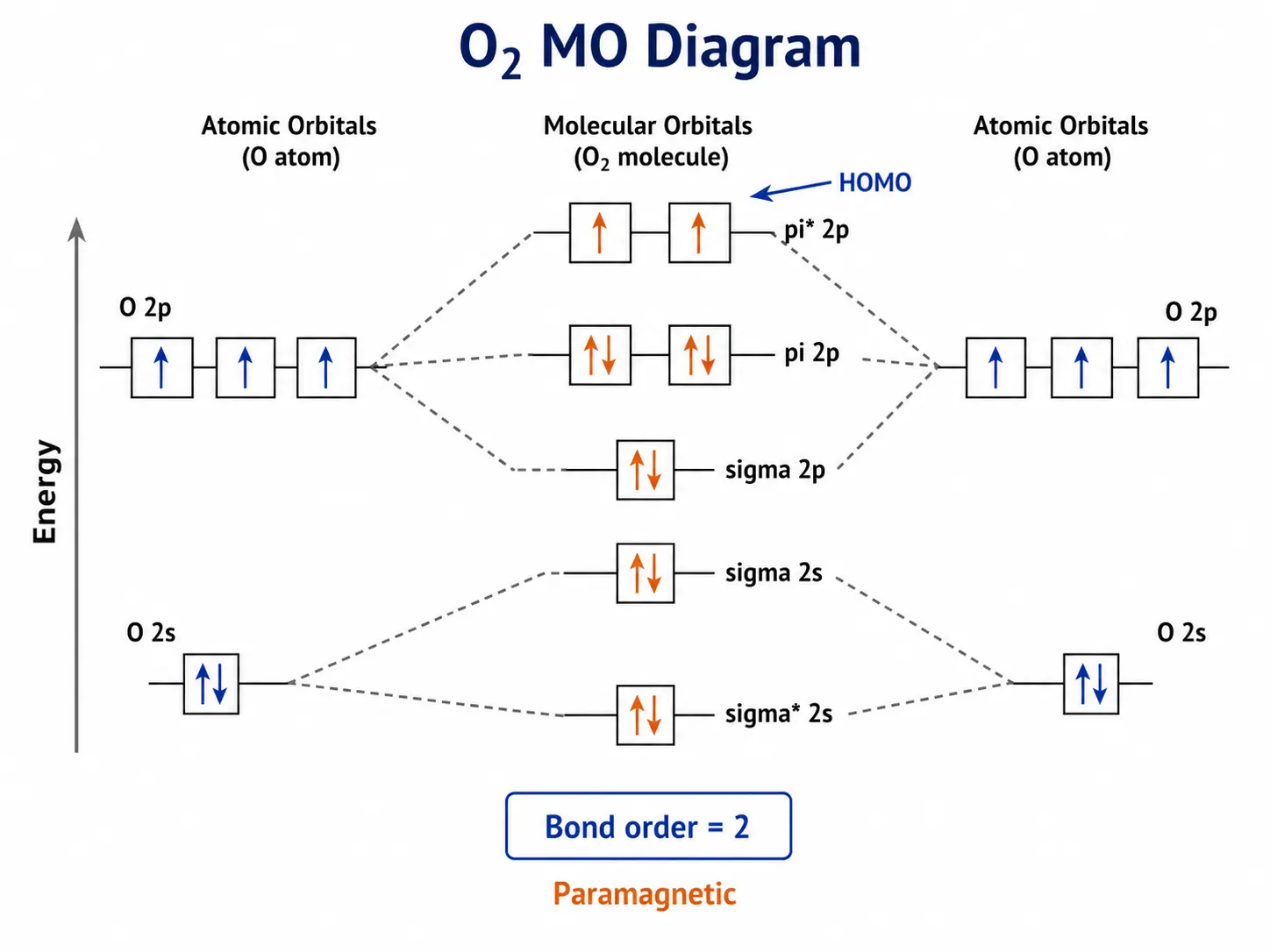
A molecular orbital diagram explains why a bond or a reaction behaves as it does, for example why Diels–Alder reactions are allowed; see the molecular orbital diagram page.
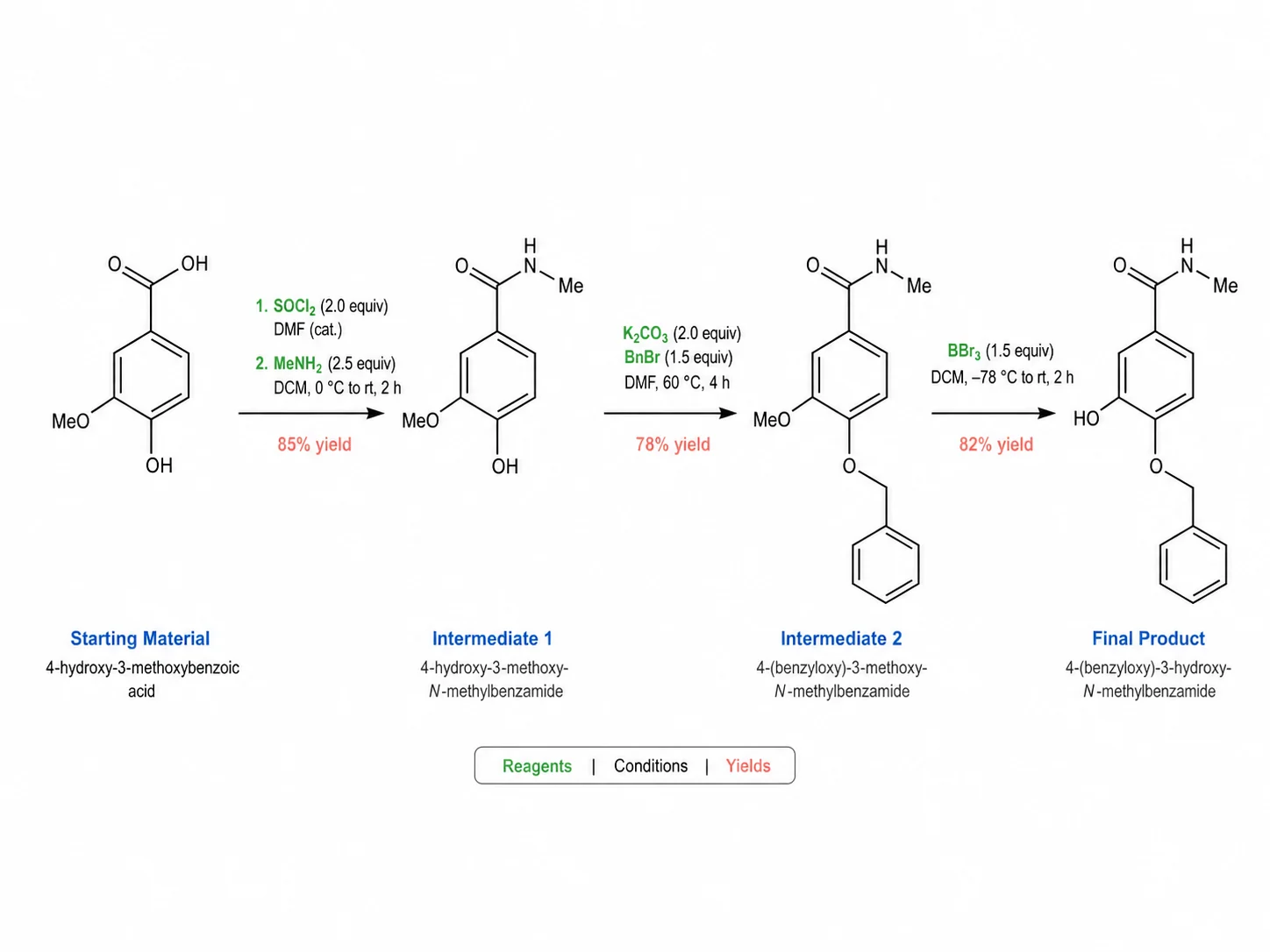
Other chemistry figures, such as synthesis schemes, titration curves and periodic trends, belong to the chemistry diagram generator.
Arrow-pushing worksheets and answer keys
Arrow-pushing worksheet: every structure, lone pair and charge is drawn and students add the curved arrows. It is the fastest way to practise mechanism drawing.
Fill-in intermediates worksheet: the start, reagents and products are given and students draw each intermediate in its box, with arrows.
Make the answer key from the same result with the answer-key action, so the key matches the worksheet exactly, and check the key against your textbook before you hand it out.
For a challenge, generate a correct mechanism, then ask AI Drawing to reverse one arrow or remove a charge, and ask students to find the error.
Mechanism figures for papers, theses and posters
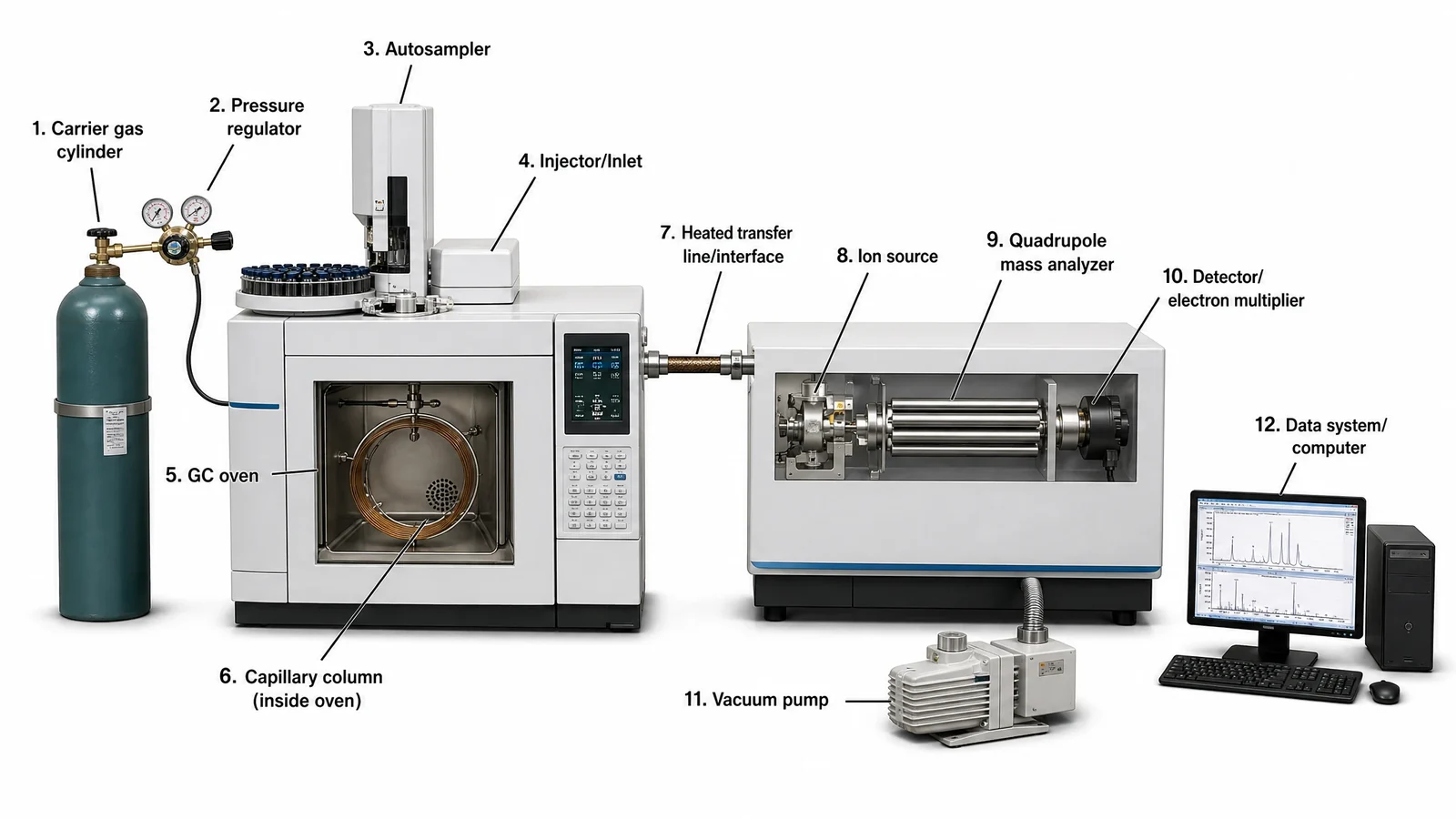
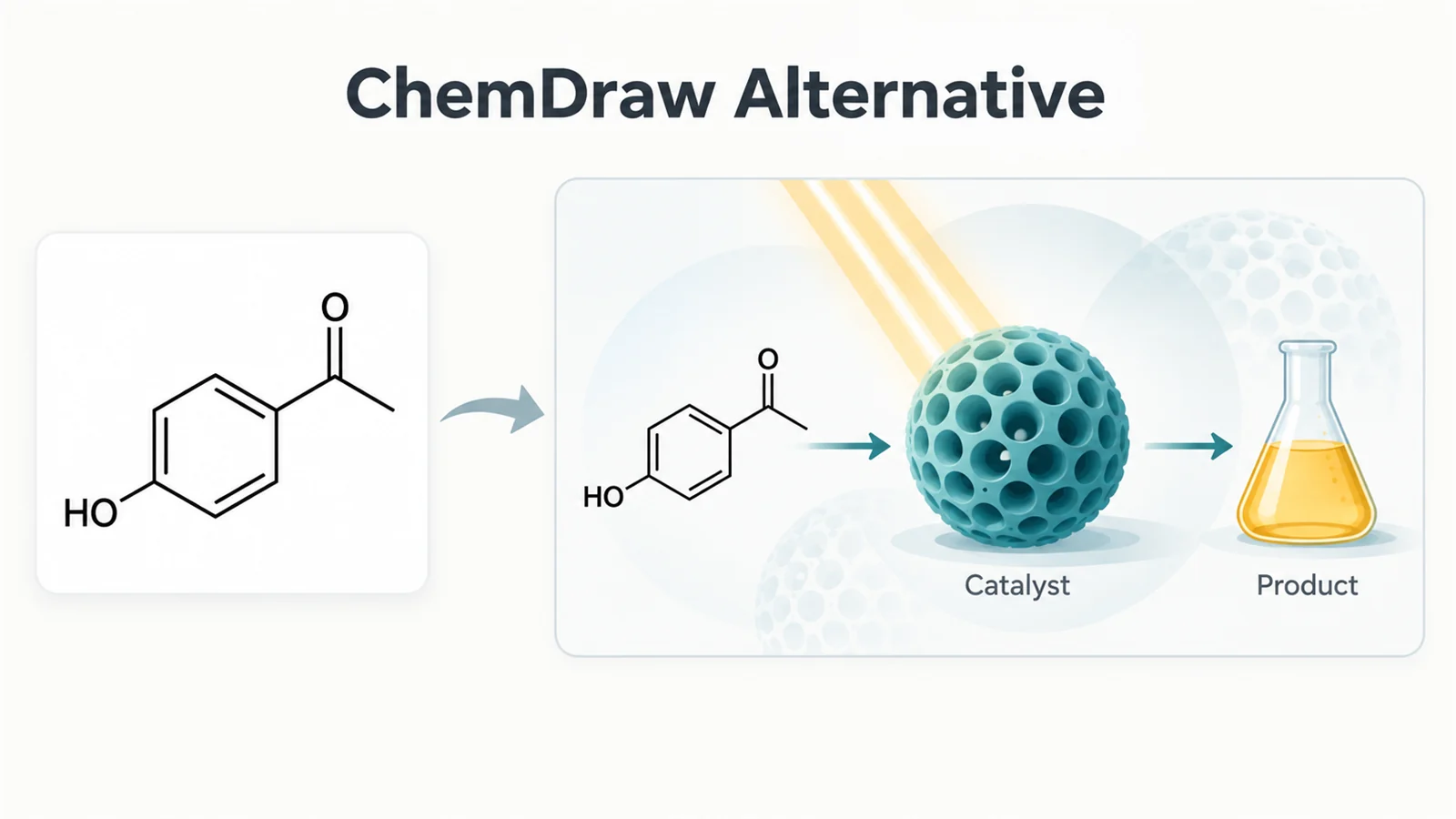
Journal schemes follow a compact, consistent style: uniform bond lengths and line widths, a small sans-serif font, reagents above and conditions below each reaction arrow, and compound numbers in bold that match the text. Choose the Journal scheme style and the Research figure level, give the exact reagents and conditions in your description, and keep the explanation in the caption rather than on the figure. If you prepare your structures in a chemical drawing program, the ChemDraw alternative page compares the options, and the gas chromatography diagram page draws the GC-MS setup often used to follow such reactions.
Most common mistakes in reaction mechanism diagrams
These are the arrow-pushing errors that image models, and students, make most often. Each one changes the chemistry the figure claims, so check them before a mechanism is used anywhere.
MistakeCorrect
MistakeCurved arrow starting at a positive charge or at a hydrogen atom
CorrectThe tail sits on electrons: a lone pair or a bond
MistakeArrow drawn from the electrophile to the nucleophile
CorrectElectrons flow from the nucleophile or base to the electrophile or proton
MistakeFish-hook arrows in a polar step, or full heads for one electron
CorrectFull head = an electron pair; fish-hook = one electron, used only for radicals
MistakeA carbon with five bonds after the nucleophile adds
CorrectWhen a bond forms to a saturated atom, one of its bonds breaks in the same step
MistakeNet charge different on the two sides of a step
CorrectCharge is conserved: the same total charge before and after every arrow
MistakeMissing lone pairs on the nucleophile or missing formal charges
CorrectDraw the lone pair each arrow starts from and every formal charge
MistakeSN2 product drawn with the same configuration as the substrate
CorrectInversion: wedge and dash swap sides; (S) becomes (R) when priorities stay in order
MistakeResonance arrow (↔) used for an equilibrium, or ⇌ between resonance forms
Correct↔ only between resonance structures; ⇌ for reversible steps; → for a step
MistakeTransition state drawn like an intermediate, or curved arrows on it
CorrectTransition state in brackets with ‡ and dashed partial bonds, no curved arrows
MistakeAromatic substitution with no arenium ion, or the H removed from the wrong carbon
CorrectThe arenium ion’s sp3 carbon bears H and E; the base removes that H
MistakeCatalyst used up in a catalytic cycle, or inconsistent oxidation states
CorrectThe catalyst is regenerated; oxidative addition +2, reductive elimination −2
SN2 vs SN1 vs E2 vs E1: what each mechanism diagram must show
The four mechanisms students mix up most, side by side. Use the last row to check that a diagram really shows the mechanism it is labeled as.
SN2
SN1
E2
E1
Steps
One, concerted
Two (plus a proton transfer with a neutral nucleophile)
One, concerted
Two
Rate law
rate = k[RX][Nu]
rate = k[RX]
rate = k[RX][base]
rate = k[RX]
Typical substrate
Methyl, primary, secondary; not tertiary
Tertiary, allylic or benzylic; not methyl or primary
Secondary or tertiary with a strong base
Tertiary, with a weak base and often heat
Nucleophile or base
Strong nucleophile
Weak nucleophile, often the solvent
Strong base
Weak base, often the solvent
Intermediate
None (one transition state)
Carbocation, which can rearrange
None
Carbocation, which can rearrange
Stereochemistry
Inversion of configuration
Mostly racemization
Anti-periplanar H and leaving group; usually Zaitsev alkene
Usually Zaitsev alkene; no anti requirement
The diagram must show
Two arrows in one step, attack 180° from the leaving group
Ionization step, planar carbocation, then attack
Three arrows in one step: base to H, C–H to C=C, C–X to X
Ionization, then a base removes H next to C⁺
Reaction Mechanism Diagram FAQ
It is a drawing of how a reaction happens step by step: the structures of the reactants, every intermediate and the products, joined by reaction arrows, with curved arrows showing where electrons move in each step. Good mechanism diagrams also show the lone pairs and formal charges the arrows depend on, and transition states in square brackets with a double dagger (‡) when the step needs them.
Generate energy diagrams, Lewis structures, lab setups, instrument schematics, and blank worksheets with matching answer keys with the same SciFigure AI workflow.