
Free reference
Journal Figure Requirements Compared
Column widths, minimum resolution, file formats, fonts, and color mode from the official artwork guidelines of 14 publishers and journals, in one searchable table of journal figure requirements. Each row links to its source, and every width opens in the image DPI checker.
| Combination DPI | Formats | Details | |||||
|---|---|---|---|---|---|---|---|
| ACS Publications | 84.6 mm (3.33 in) | 177.8 mm (7 in) | 300 | Not stated | 1,200 | Not stated | |
| Cell PressLink only | Not stated | Not stated | Not stated | Not stated | Not stated | Not stated | |
| eLife | Not stated | 200 mm (7.87 in) | 300 (all) | 300 (all) | 300 (all) | TIFF, JPG, EPS, AI, PDF | |
| Elsevier | 90 mm (3.54 in) | 190 mm (7.48 in) | 300 | 500 | 1,000 | EPS, PDF, TIFF, JPEG | |
| Frontiers | 85 mm (3.35 in) | 180 mm (7.09 in) | 300 (all) | 300 (all) | 300 (all) | TIFF, JPEG, EPS | |
| IEEE | 88.9 mm (3.5 in) | 182 mm (7.16 in) | 300 | Not stated | 600 | PS, EPS, PDF, PNG, TIFF | |
| MDPI | Not stated | Not stated | 600 (all) | 600 (all) | 600 (all) | TIFF, JPEG, PNG | |
| Nature Portfolio | 89 mm (3.5 in) | 183 mm (7.2 in) | 300 | Not stated | Not stated | AI, EPS, PDF | |
| PLOS | Not stated | 190.5 mm (7.5 in) | 300 (all) | 300 (all) | 300 (all) | TIFF, EPS | |
| PNAS | 87 mm (3.42 in) | 178 mm (7 in) | 300 | 600 | 1,000 | TIFF, EPS, PDF | |
| Royal Society of Chemistry (RSC) | 83 mm (3.27 in) | 171 mm (6.73 in) | 600 (all) | 600 (all) | 600 (all) | TIFF | |
| Science (AAAS) | 57 mm (2.24 in) | 184 mm (7.24 in) | 300 | Not stated | 300 | PDF, EPS, AI, TIFF | |
| Springer | 84 mm (3.31 in) | 174 mm (6.85 in) | 300 | 600 | 1,200 | EPS, TIFF | |
| Wiley | Not stated | 180 mm (7.09 in) | 300 | 600 | 600 | PDF, PNG, TIFF |
ACS Publications
- Single column
- 84.6 mm (3.33 in)
- Full width
- 177.8 mm (7 in)
- Photo DPI
- 300
- Line art DPI
- 1,200
- Formats
- Not stated
Full notes and sources
- Scope
- JACS author guidelines, Appendix 2: Preparing Graphics
- Widths (as published)
- Single column (up to): up to 240 points wide (3.33 in.); Double column (up to): between 300 and 504 points (4.167 in. and 7 in.)
- Maximum depth
- Maximum depth: 660 points (9.167 in.) including the caption
- Resolution
- Black and white line art 1200 dpi; grayscale art 600 dpi; color art 300 dpi. No separate combination value.
- Combination figures
- Not stated. See the official guide
- File formats
- Not stated in the graphics appendix; the guidelines refer to a separate list of acceptable software and file designations.
- Fonts
- Helvetica or Arial. Lettering no smaller than 4.5 points in the final published format. Lines no thinner than 0.5 point.
- Minimum font size
- 4.5 pt
- Color mode
- Not stated. See the official guide
- Grayscale art: 600 dpi.
- Color reproduction is free; graphics meant to appear in black and white or grayscale should not be submitted in color.
- Checked on the JACS guidelines; other ACS journals publish their own guideline pages.
Official sourceLast checked: September 15, 2026Cell Press
Link only- Single column
- Not stated
- Full width
- Not stated
- Photo DPI
- Not stated
- Line art DPI
- Not stated
- Formats
- Not stated
Full notes and sources
- Scope
- Cell Press figure guidelines
- Widths (as published)
- Not stated. See the official guide
- Maximum depth
- Not stated. See the official guide
- Resolution
- Not stated. See the official guide
- Combination figures
- Not stated. See the official guide
- File formats
- Not stated. See the official guide
- Fonts
- Not stated. See the official guide
- Minimum font size
- Not stated. See the official guide
- Color mode
- Not stated. See the official guide
- The official guidelines page returned HTTP 403 to every retrieval attempt on the check date, so no values are recorded here. See the official guide.
Official sourceLast checked: September 15, 2026eLife
- Single column
- Not stated
- Full width
- 200 mm (7.87 in)
- Photo DPI
- 300 (all)
- Line art DPI
- 300 (all)
- Formats
- TIFF, JPG, EPS, AI, PDF
Full notes and sources
- Scope
- eLife author guide
- Widths (as published)
- Minimum width: minimum physical width size of 10cm; Full typeset page width: minimum physical width of 20cm
- Maximum depth
- Not stated. See the official guide
- Resolution
- All figures must be uploaded at a minimum dpi of 300.
- Combination figures
- 300 DPI
- File formats
- TIFF, JPG, EPS, AI, PDF. TIFF in 8-bit format; PDF saved in a vector format. Multi-page figures are not supported.
- Fonts
- Not stated. See the official guide
- Minimum font size
- Not stated. See the official guide
- Color mode
- RGB
- Not stated: maximum depth and fonts.
- reviewer.elifesciences.org/author-guide redirects to this author guide.
Official sourceLast checked: September 15, 2026Elsevier
- Single column
- 90 mm (3.54 in)
- Full width
- 190 mm (7.48 in)
- Photo DPI
- 300
- Line art DPI
- 1,000
- Formats
- EPS, PDF, TIFF, JPEG
Full notes and sources
- Scope
- Elsevier artwork and media instructions (general)
- Widths (as published)
- Minimal size: 30 mm / 85 pt; Single column: 90 mm / 255 pt; 1.5 column: 140 mm / 397 pt; Double column (full width): 190 mm / 539 pt
- Maximum depth
- Not stated. See the official guide
- Resolution
- Halftone 300 dpi, combination 500 dpi, line art 1000 dpi.
- Combination figures
- 500 DPI
- File formats
- EPS, PDF, TIFF, JPEG. EPS preferred for vector graphics; TIFF for bitmap and halftone; JPEG for photographs. Word, Excel, and PowerPoint files are also accepted.
- Fonts
- Arial (or Helvetica), Courier, Symbol, Times (or Times New Roman). 7 pt for normal text; subscripts and superscripts no smaller than 6 pt (given as a rule of thumb).
- Minimum font size
- 6 pt
- Color mode
- Not stated. See the official guide
- Not stated in the pages checked: maximum depth and color mode.
Frontiers
- Single column
- 85 mm (3.35 in)
- Full width
- 180 mm (7.09 in)
- Photo DPI
- 300 (all)
- Line art DPI
- 300 (all)
- Formats
- TIFF, JPEG, EPS
Full notes and sources
- Scope
- Frontiers author guidelines
- Widths (as published)
- One column: one column (85 mm); Two columns: two columns (180 mm)
- Maximum depth
- Not stated. See the official guide
- Resolution
- All images must have a resolution of 300 dpi at final size.
- Combination figures
- 300 DPI
- File formats
- TIFF, JPEG, EPS
- Fonts
- Smallest visible text no less than 8 points. Lines no smaller than 2 points wide. Arial 8 pt is specified for chemical structures.
- Minimum font size
- 8 pt
- Color mode
- RGB
- Not stated: maximum depth.
Official sourceLast checked: September 15, 2026IEEE
- Single column
- 88.9 mm (3.5 in)
- Full width
- 182 mm (7.16 in)
- Photo DPI
- 300
- Line art DPI
- 600
- Formats
- PS, EPS, PDF, PNG, TIFF
Full notes and sources
- Scope
- IEEE Author Center: create graphics for your article
- Widths (as published)
- One column: 3.5 inches, 88.9 millimeters, or 21 picas; Two columns: 7.16 inches, 182 millimeters, or 43 picas
- Maximum depth
- Maximum graphic size: 7.16 x 8.8 inches, 182 x 220 millimeters, or 43 x 52 picas
- Resolution
- Color and grayscale: >300 dpi. Black and white line art: >600 dpi. No separate combination value.
- Combination figures
- Not stated. See the official guide
- File formats
- PS, EPS, PDF, PNG, TIFF. Microsoft Office files only when the graphic was originally drawn in that program. JPEG only for author photos.
- Fonts
- Helvetica, Times New Roman, Arial, Cambria, Symbol. Type should appear approximately 9-10 point at full size (no strict minimum stated). Embed fonts or convert text to outlines in EPS, PS, or PDF.
- Minimum font size
- Not stated. See the official guide
- Color mode
- Not stated. See the official guide
- Not stated: color mode.
MDPI
- Single column
- Not stated
- Full width
- Not stated
- Photo DPI
- 600 (all)
- Line art DPI
- 600 (all)
- Formats
- TIFF, JPEG, PNG
Full notes and sources
- Scope
- MDPI layout style guide and journal instructions for authors
- Widths (as published)
- Not stated. See the official guide
- Maximum depth
- Not stated. See the official guide
- Resolution
- Recommended minimum 600 dpi for figures ("preferably no less than 600 dpi").
- Combination figures
- 600 DPI
- File formats
- TIFF, JPEG, PNG. Any common figure format may be used, including TIFF, JPG, and PNG; files are published as TIFF.
- Fonts
- No figure font size given. All fonts must be embedded.
- Minimum font size
- Not stated. See the official guide
- Color mode
- RGB, 8 bits per channel (encouraged)
- Not stated: column widths and maximum depth.
Nature Portfolio
- Single column
- 89 mm (3.5 in)
- Full width
- 183 mm (7.2 in)
- Photo DPI
- 300
- Line art DPI
- Not stated
- Formats
- AI, EPS, PDF
Full notes and sources
- Scope
- Nature research figure guide
- Widths (as published)
- Single column: 89 mm; Double column: 183 mm
- Maximum depth
- Maximum figure height: 170 mm, to allow space for the figure legend
- Resolution
- Photographic images must be supplied at a minimum of 300 dpi; the guide recommends 450 dpi or above for the highest online resolution. No separate line art or combination value is given; vector files are preferred.
- Combination figures
- Not stated. See the official guide
- File formats
- AI, EPS, PDF. Preferred for main figures. Also acceptable: layered Photoshop, PowerPoint saved as PDF, SVG, Excel, PS. JPEG, TIFF, and PNG are listed as not accepted for main figures (Extended Data uses JPEG, TIFF, or EPS).
- Fonts
- Sans-serif, preferably Helvetica or Arial. Text 5-7 pt; panel labels 8 pt bold, upright. Monospaced font (e.g. Courier) for amino acid sequences.
- Minimum font size
- 5 pt
- Color mode
- RGB; artwork is converted to CMYK for print
- Nature journals can differ; check the specific journal page.
PLOS
- Single column
- Not stated
- Full width
- 190.5 mm (7.5 in)
- Photo DPI
- 300 (all)
- Line art DPI
- 300 (all)
- Formats
- TIFF, EPS
Full notes and sources
- Scope
- PLOS ONE figure guidelines
- Widths (as published)
- Minimum width: 6.68 cm / 2.63 in (789 px at 300 dpi); Maximum width: 19.05 cm / 7.5 in (2250 px at 300 dpi)
- Maximum depth
- Maximum height: 22.23 cm / 8.75 in (2625 px at 300 dpi)
- Resolution
- 300-600 dpi for all figures.
- Combination figures
- 300 DPI
- File formats
- TIFF, EPS. TIFF or EPS only. TIFF must use LZW compression, be flattened (no layers), and have no alpha channel. 10 MB or less per file.
- Fonts
- Arial, Times, or Symbol. 8-12 point.
- Minimum font size
- 8 pt
- Color mode
- RGB (8 bit/channel) or grayscale only
- No named single or double column widths; the guide gives a minimum and maximum width.
Official sourceLast checked: September 15, 2026PNAS
- Single column
- 87 mm (3.42 in)
- Full width
- 178 mm (7 in)
- Photo DPI
- 300
- Line art DPI
- 1,000
- Formats
- TIFF, EPS, PDF
Full notes and sources
- Scope
- PNAS digital art guidelines (PDF)
- Widths (as published)
- 1 column: 20.5 picas / 3.42" / 8.7 cm; 1.5 columns: 27 picas / 4.5" / 11.4 cm; 2 columns: 42.125 picas / 7" / 17.8 cm
- Maximum depth
- Recommended max height: 54 picas / 9" / 22.5 cm
- Resolution
- Halftones: suggested minimum 300 ppi. Combination halftones: 600-900 ppi preferred. Line art: 1000-1200 ppi preferred. All at publication size.
- Combination figures
- 600 DPI
- File formats
- TIFF, EPS, PDF. Preferred formats.
- Fonts
- Arial, Helvetica, Times, Symbol, Mathematical Pi, European Pi. Text at least 6 points after reduction. Use the same font in all figures and embed fonts in vector files.
- Minimum font size
- 6 pt
- Color mode
- RGB (original); converted to CMYK for print
Official sourceLast checked: September 15, 2026Royal Society of Chemistry (RSC)
- Single column
- 83 mm (3.27 in)
- Full width
- 171 mm (6.73 in)
- Photo DPI
- 600 (all)
- Line art DPI
- 600 (all)
- Formats
- TIFF
Full notes and sources
- Scope
- Chemical Science author guidelines
- Widths (as published)
- Single column: 8.3 cm; Double column: 17.1 cm
- Maximum depth
- Maximum length: 23.3 cm
- Resolution
- Figures, schemes, and charts: 600 dpi or greater.
- Combination figures
- 600 DPI
- File formats
- TIFF. TIFF preferred; EPS or PDF can be supplied but are converted to TIFF.
- Fonts
- No general figure font size. Chemical structure drawing settings specify Arial/Helvetica at 7 pt.
- Minimum font size
- Not stated. See the official guide
- Color mode
- Not stated. See the official guide
- Not stated: color mode.
- Checked on the Chemical Science page; other RSC journal pages use the same figure section.
Official sourceLast checked: September 15, 2026Science (AAAS)
- Single column
- 57 mm (2.24 in)
- Full width
- 184 mm (7.24 in)
- Photo DPI
- 300
- Line art DPI
- 300
- Formats
- PDF, EPS, AI, TIFF
Full notes and sources
- Scope
- Science instructions for preparing a revised manuscript
- Widths (as published)
- 1 column: 5.7 cm (2.24 inches or 1 column); 2 columns: 12.1 cm (4.76 inches or 2 columns); 3 columns (full width): 18.4 cm (7.24 inches or 3 columns)
- Maximum depth
- Not stated. See the official guide
- Resolution
- Grayscale and color images: minimum 300 dpi at final size, higher if possible. Line art not available as vector: at least 300 dpi, preferably higher. Upsampling of images is not permitted. No separate combination value.
- Combination figures
- Not stated. See the official guide
- File formats
- PDF, EPS, AI, TIFF. Vector (preferred): PDF, EPS, or AI. Raster illustrations and photographs: TIFF. PowerPoint files are not accepted.
- Fonts
- Lettering about 7 points (2.5 mm) high after reduction, and not smaller than 5 points. No figure font family is specified.
- Minimum font size
- 5 pt
- Color mode
- Not stated. See the official guide
- Not stated: maximum depth and color mode.
- The page blocks automated fetchers; it was retrieved with a standard browser request.
Check a figure at:1 column (57 mm (2.24 in))2 columns (121 mm (4.76 in))3 columns (full width) (184 mm (7.24 in))Official sourceLast checked: September 15, 2026Springer
- Single column
- 84 mm (3.31 in)
- Full width
- 174 mm (6.85 in)
- Photo DPI
- 300
- Line art DPI
- 1,200
- Formats
- EPS, TIFF
Full notes and sources
- Scope
- Standard Springer journal artwork guidelines (as published in journal submission guidelines)
- Widths (as published)
- Column in a double-column text area: 84 mm (for double-column text areas); Single-column text area (full width): 174 mm (for single-column text areas); Small-sized journals: 119 mm wide, not higher than 195 mm
- Maximum depth
- Maximum height (large-sized journals): not higher than 234 mm
- Resolution
- Scanned or bitmap line drawings 1200 dpi; halftones 300 dpi; combination artwork 600 dpi.
- Combination figures
- 600 DPI
- File formats
- EPS, TIFF. EPS preferred for vector graphics, TIFF for halftones; MS Office files also acceptable. Name files like Fig1.eps.
- Fonts
- Helvetica or Arial (sans serif). Keep lettering consistently sized, usually about 2-3 mm (8-12 pt). Vector graphics must have fonts embedded.
- Minimum font size
- 8 pt
- Color mode
- RGB (8 bits per channel)
- The general Springer author helpdesk page now redirects to a sign-in page. Values come from the standard artwork section of a Springer journal submission guideline (Materials and Structures); check your journal page.
Check a figure at:Column in a double-column text area (84 mm (3.31 in))Single-column text area (full width) (174 mm (6.85 in))Small-sized journals (119 mm (4.69 in))Official sourceLast checked: September 15, 2026Wiley
- Single column
- Not stated
- Full width
- 180 mm (7.09 in)
- Photo DPI
- 300
- Line art DPI
- 600
- Formats
- PDF, PNG, TIFF
Full notes and sources
- Scope
- Wiley Author Services figure preparation
- Widths (as published)
- Minimum width: between 80 mm; Maximum width: and 180 mm in width
- Maximum depth
- Not stated. See the official guide
- Resolution
- Preferred: line art 600 dpi, photographs 300 dpi; figures with both follow the line art guideline. Any legible resolution is acceptable for initial review.
- Combination figures
- 600 DPI
- File formats
- PDF, PNG, TIFF. Preferred for initial submission; any standard file type is acceptable. Individual files under 10 MB.
- Fonts
- No font family or size given; words and symbols should be large enough for easy reading.
- Minimum font size
- Not stated. See the official guide
- Color mode
- Not stated. See the official guide
- Not stated: named column widths, maximum depth, fonts, color mode.
- Individual Wiley journals may have their own requirements.
Official sourceLast checked: September 15, 2026
Last checked: September 15, 2026. Summarized from each publisher's official guide. Requirements change and individual journals can differ, so always confirm the specific journal's current guide before submitting.
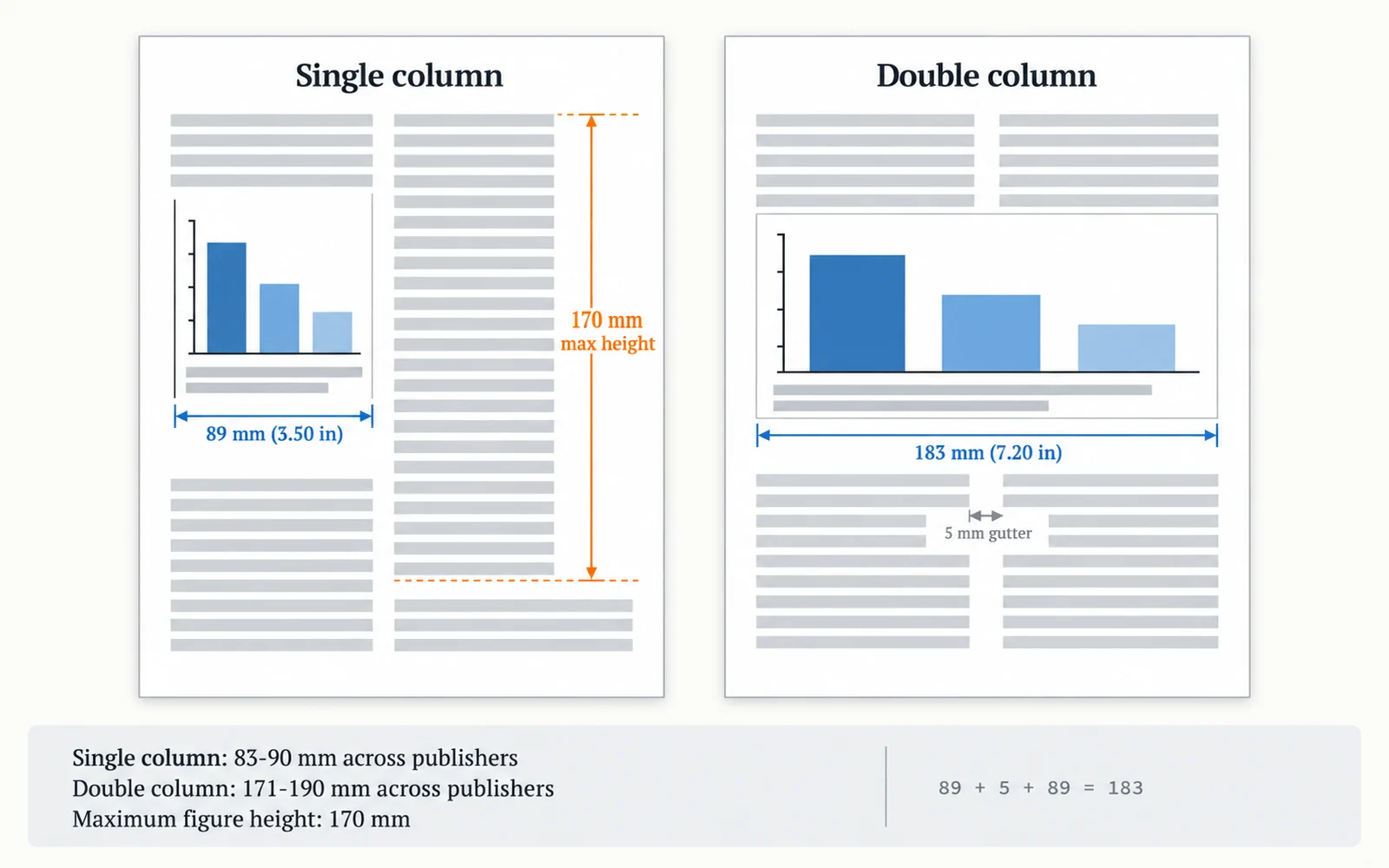
How to read the journal figure requirements table
Each row summarizes one publisher's general artwork guide, or a representative journal where the publisher has no single guide. Widths are shown in millimeters with inches, and the wording from the source is in the expanded row. Resolution is split into photos (halftones), combination figures (images with text or line elements), and line art. "Not stated" means the official guide we checked gives no value; it does not mean anything goes.
- Single column and full width are the sizes a figure is printed at. Design at that size so text sizes are real.
- Resolution minimums apply at final print size, not at whatever size the file opens at.
- Individual journals can override their publisher's defaults. Where a row was checked on a specific journal page (for example JACS for ACS or Chemical Science for RSC), the scope says so.
- Cell Press is listed with its official link only, because its guidelines page could not be retrieved when we checked.
Common reasons figures are sent back
- Low resolution: images below the stated DPI at final size, often screenshots or slide exports. Check effective resolution before you upload.
- Wrong color mode: most guides in the table that state a color mode ask for RGB (Nature, PLOS, Springer, Frontiers, PNAS, eLife, MDPI). Convert CMYK files to RGB unless your journal says otherwise.
- Fonts not embedded: Springer, PNAS, MDPI, and IEEE ask for embedded fonts (IEEE also allows outlined text) in vector files; otherwise text can be substituted or shift.
- Unreadable text: several guides set minimum sizes, such as 5 pt at Nature and Science, 6 pt at PNAS, and 8 pt at PLOS and Frontiers.
- Panel labels: inconsistent or oversized labels are a frequent production fix. Nature, for example, specifies 8 pt bold, upright panel labels; follow your journal's style for case and placement.
- Wrong file type: PLOS accepts only TIFF or EPS, while Nature prefers AI, EPS, or PDF for main figures and lists JPEG, TIFF, and PNG as not accepted for them.
Pre-submission figure checklist
- Open the journal's own figure guide and note widths, resolution, formats, and font sizes.
- Build each figure at its printed width (single column or full width) instead of scaling later.
- Check the effective DPI of every raster image at that width with the image DPI checker.
- Export charts and line art as vector PDF or EPS when accepted, with all fonts embedded.
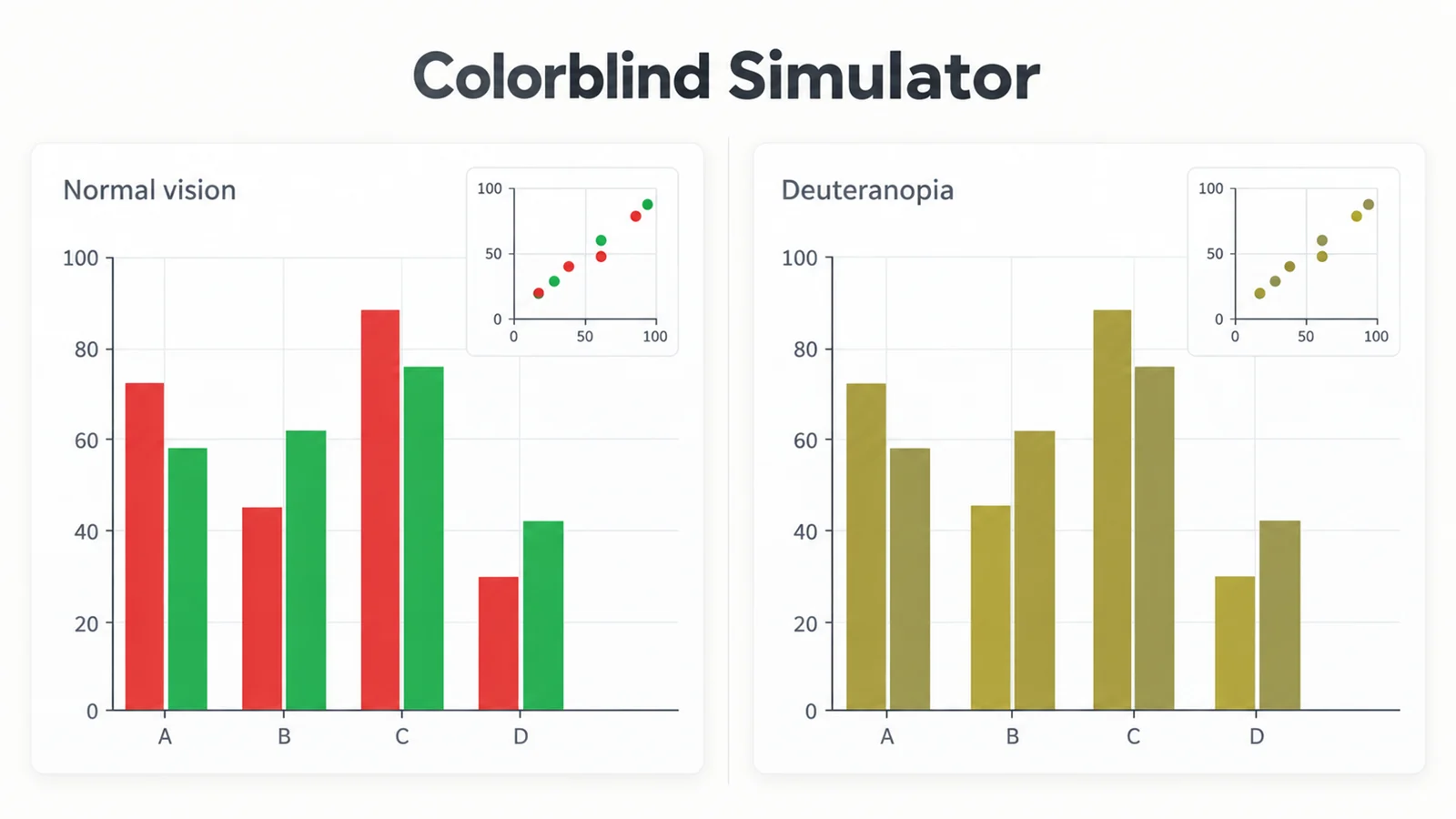
- Use RGB unless the journal asks otherwise, and make sure colors stay distinguishable for colorblind readers.
- Keep font sizes consistent across panels and above the journal minimum at final size.
- Label panels consistently (a, b, c or A, B, C) in the journal's style.
- Keep original, unprocessed image files, since journals may request them.
- Name files the way the journal asks, for example Fig1.eps for Springer journals.
Why the numbers differ between publishers
Page layouts differ, so column widths do too: from 83 mm (RSC) to 90 mm (Elsevier) for a single column, and from 171 mm (RSC) to 190 mm (Elsevier) for full width among publishers with two-column layouts. Figure resolution requirements also group figures differently. Elsevier, Springer, PNAS, and IEEE give separate values for photos and line art, while Frontiers, eLife, RSC, and MDPI give one minimum for all figures. Science uses a three-column grid with widths of 5.7, 12.1, and 18.4 cm.
Preparing charts that meet journal figure guidelines
If you make charts from data, set the figure size and export resolution in your plotting tool, or use a generator and check the exported file. SciFigure chart generators create charts from CSV or Excel data for 5 credits per chart, and free credits work for charts. Whatever tool you use, compare the file with the journal figure requirements in your publisher's row before submission, and test your colors with the colorblind simulator.
Frequently asked questions
What are typical journal figure requirements?
Across the guides in the table, figures are usually sized to a single column of about 83 to 90 mm or a full width of about 171 to 190 mm, raster photos need at least 300 DPI at that size, and line art needs a higher resolution or a vector file. Fonts are typically sans-serif such as Arial or Helvetica, with stated minimum sizes from 4.5 to 8 pt.
What are Nature's figure guidelines?
Nature's research figure guide lists widths of 89 mm (single column) and 183 mm (double column), a maximum figure height of 170 mm, and 5 to 7 pt text in a sans-serif font such as Helvetica or Arial. Photographic images must be at least 300 dpi, and AI, EPS, or PDF files are preferred for main figures. Confirm details on the current guide.
Do journals want RGB or CMYK figures?
Most guides in this table that mention color ask for RGB. Nature and PNAS note that figures are converted to CMYK for print by the publisher. Several guides do not state a color mode; for those, check the specific journal's instructions.
Is 300 DPI enough for a journal figure?
For photographs and micrographs at final print size, 300 DPI meets the minimum at most publishers in the table. It is usually not enough for raster line art or figures with text: Elsevier asks for 500 DPI for combination art and 1,000 DPI for line art, and MDPI and RSC ask for 600 DPI for figures in general.
How current is this table?
Every value was checked against official publisher pages on September 15, 2026. Publishers revise guidelines without notice, so treat the table as a starting point and confirm the specific journal's current guide before submission.
Can I reuse this table?
Use Copy as CSV to paste the table into a spreadsheet or lab guide, and keep the source links so readers can verify each value against the official page.
Related tools and generators
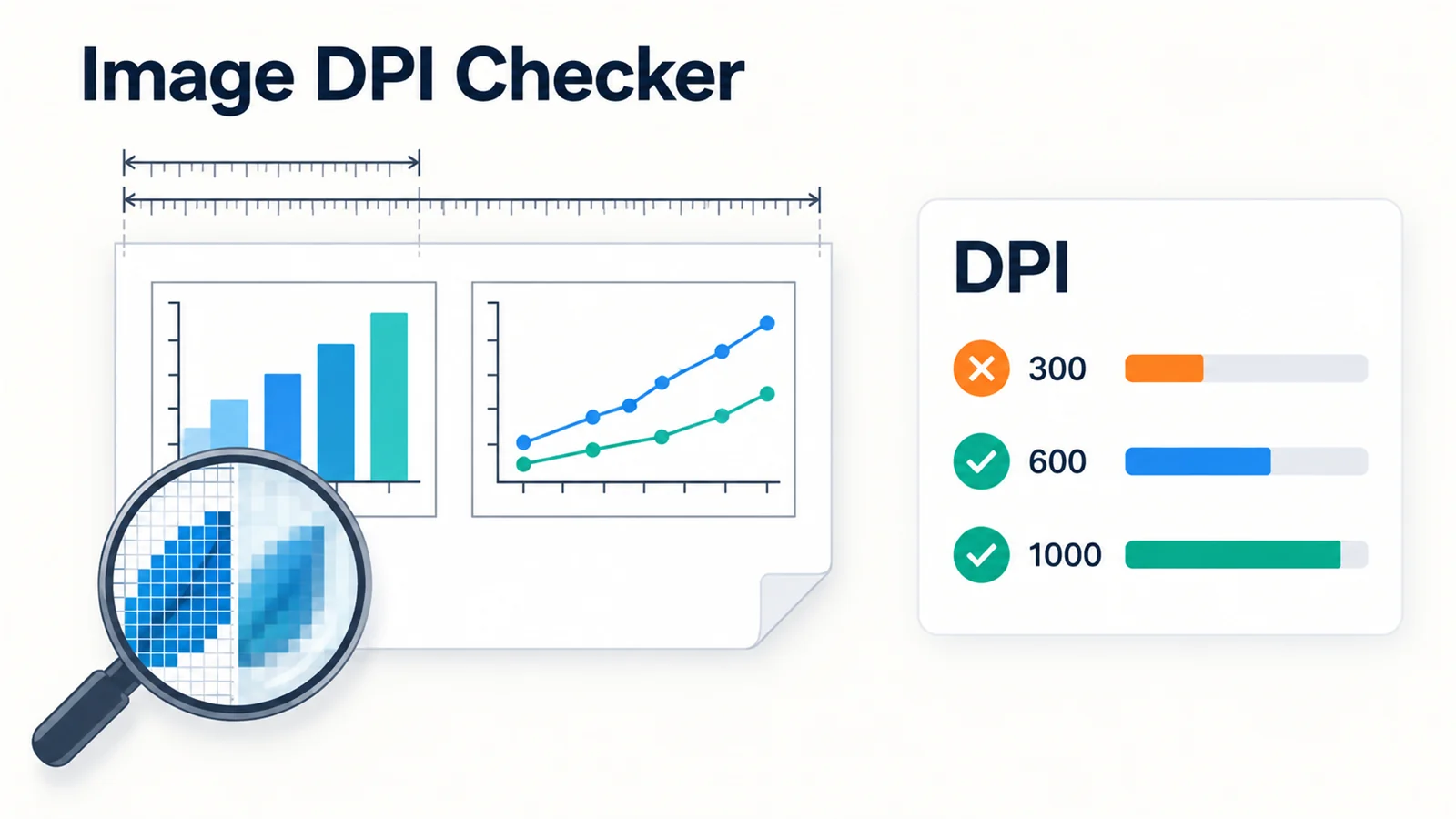
Image DPI checker
Check the effective DPI of a figure at any journal column width, in your browser.
Colorblind simulator
Preview a figure with protanopia, deuteranopia, tritanopia, and grayscale.
Bar chart generator
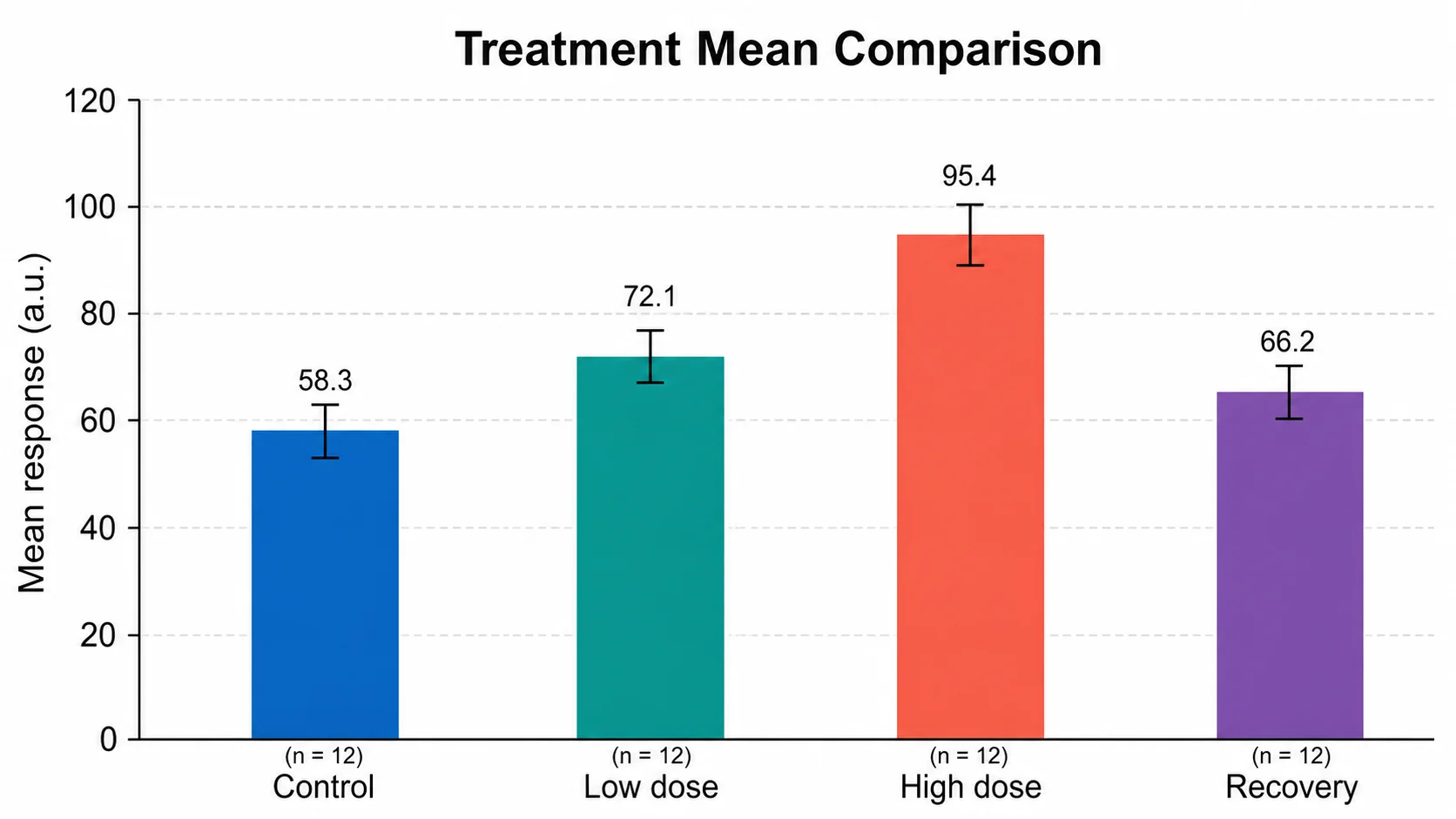
Upload CSV or Excel data and get a publication-style bar chart for 5 credits. Free credits work.
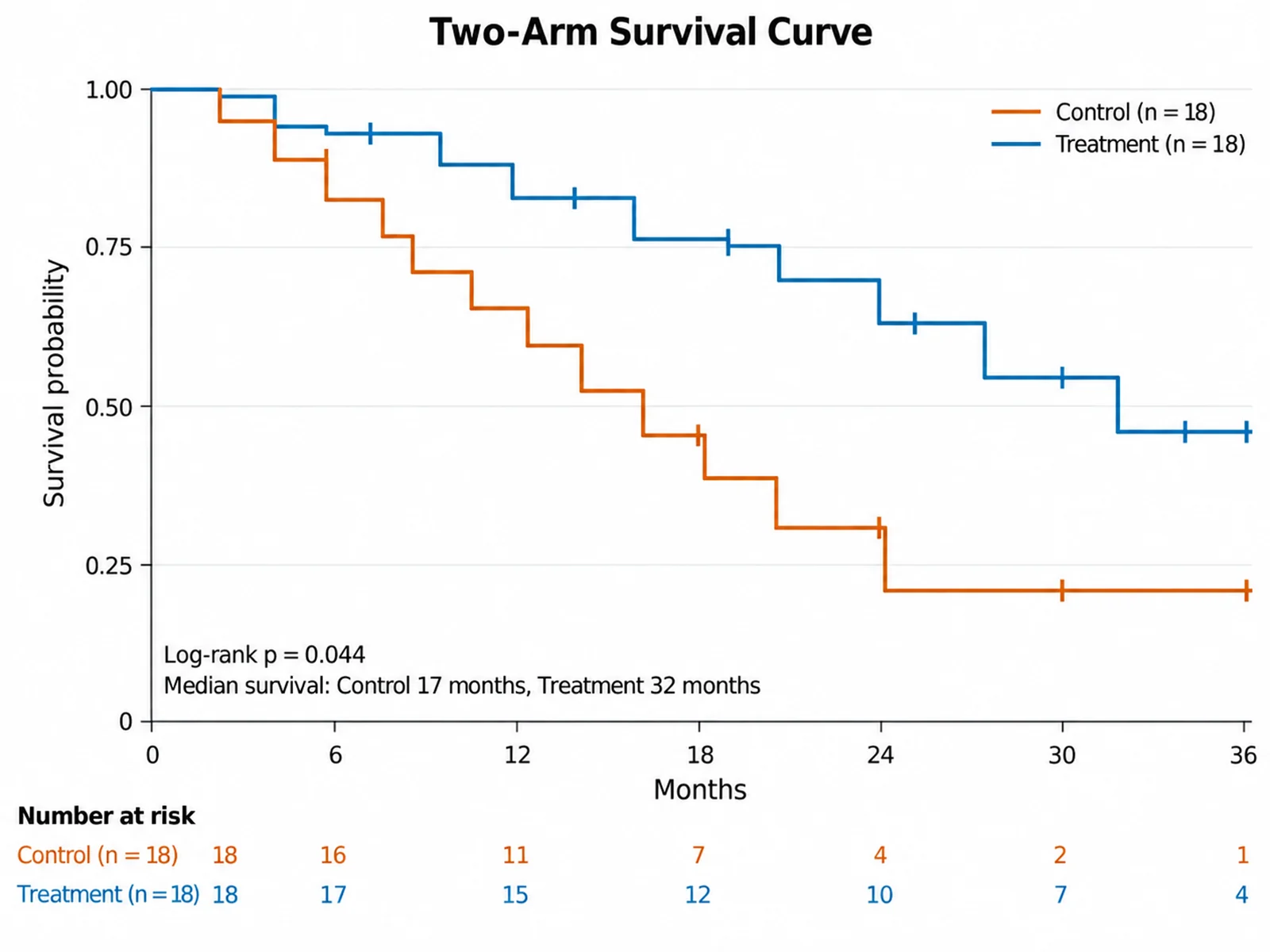
Kaplan-Meier plot generator
Survival curves from your data, with the statistics computed from the uploaded file.
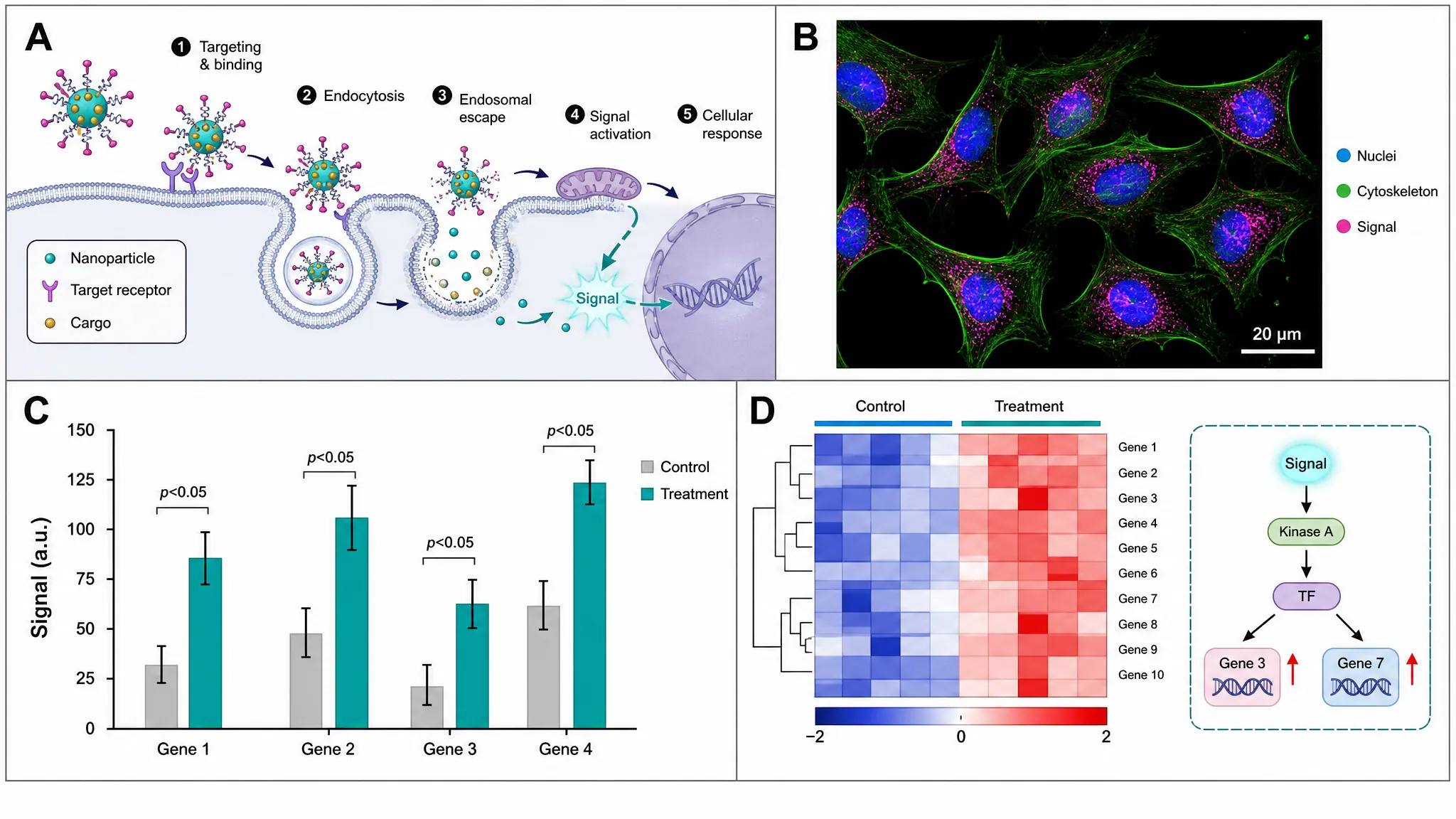
Scientific figure maker
Create scientific figures and illustrations with AI (requires a subscription or credit pack).
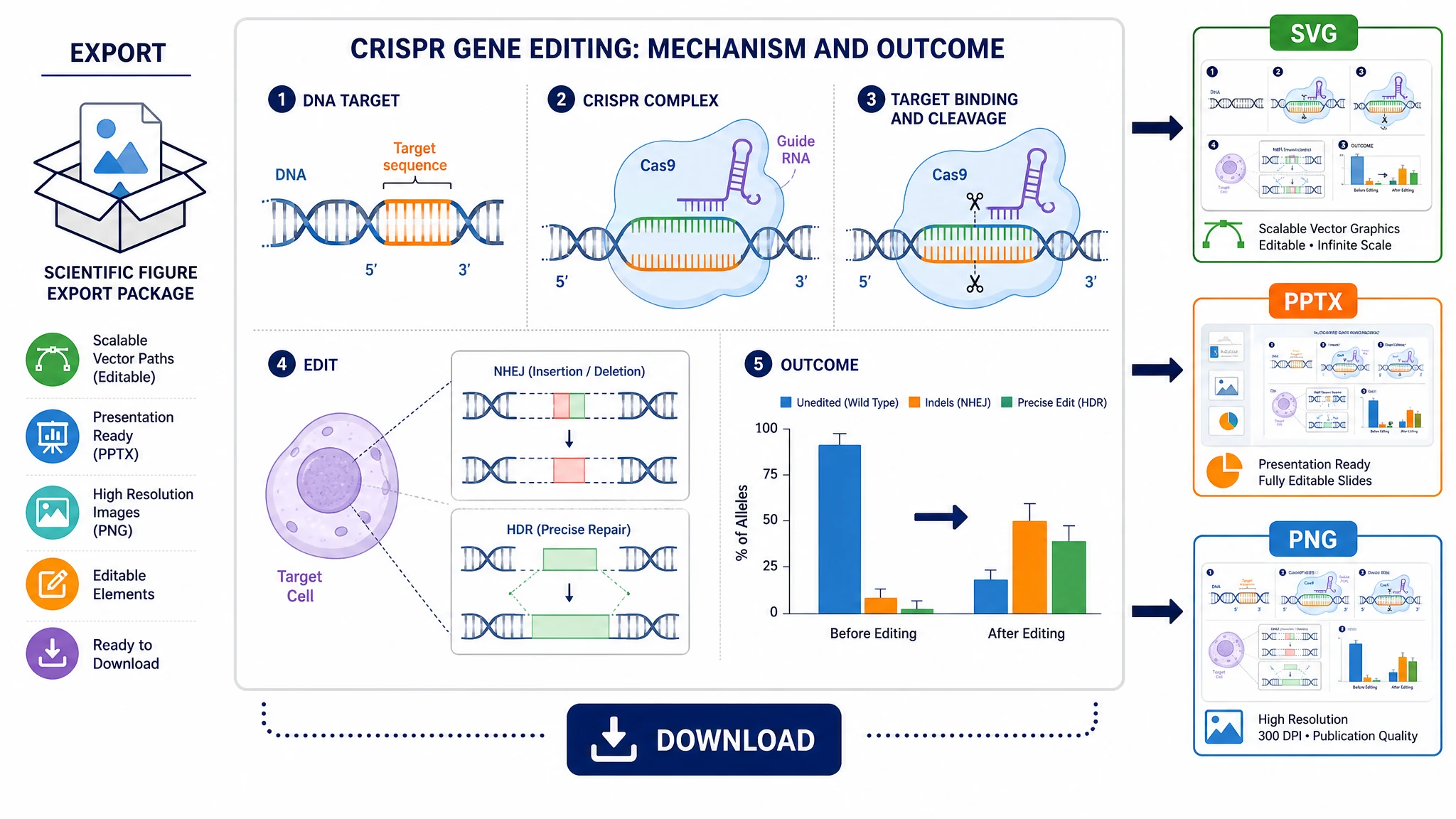
Journal submission figure checklist
A step-by-step checklist for getting figures ready before you submit.
Check a figure against these widths
Open the free image DPI checker, pick a journal preset, and see the pixel width each resolution minimum needs.
Open the image DPI checkerLast checked: September 15, 2026. Always confirm the specific journal's current guide before submission.
Official sources: Nature Portfolio · Science (AAAS) · Cell Press · PLOS · Elsevier · Wiley · Springer · ACS Publications · IEEE · Frontiers · MDPI · PNAS · eLife · Royal Society of Chemistry (RSC)